




Overview
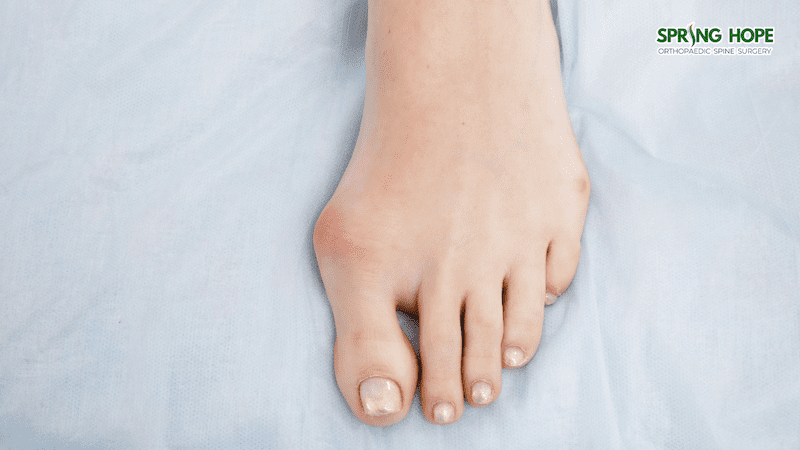
A bunion, clinically referred to as hallux valgus, is a common orthopaedic condition affecting the foot’s metatarsophalangeal joint, which connects the big toe to the rest of the foot. The term “hallux” is Latin for the great toe, while “valgus” describes an outward turning of the joint. This condition is characterised by a visible bony bump that forms at the base of the big toe, occurring when the first metatarsal bone moves outward and the big toe bends inward toward the smaller toes.
The prominent lump is not typically caused by the growth of new bone, but rather by the misalignment of the existing joint structures. While some individuals may experience no symptoms, for many, the condition is chronic, progressive, and degenerative. Over time, this misalignment disrupts normal joint mechanics, potentially leading to instability and further joint damage. While bunions are frequently observed in adults, they can also affect younger individuals, where the condition is managed with specific considerations for skeletal maturity.
Causes and Risk Factors
The exact cause of bunions is often considered a combination of internal and external factors. Genetic predisposition is a primary contributor, as many individuals inherit a structural foot defect that makes them more susceptible to joint misalignment. This inherited tendency is often linked to factors such as generalised ligament laxity, abnormal foot mechanics—including flat feet or low arches—and tight Achilles tendons.
Lifestyle factors and footwear choices also play a significant role in the development or worsening of the condition. Wearing narrow, pointed, or ill-fitting shoes can force the toes into a cramped position, putting repetitive stress on the joint. High-heeled shoes are particularly associated with bunion progression, as they shift the body’s weight forward, crowding the toes into the front of the shoe. Additionally, medical factors such as rheumatoid arthritis or other inflammatory conditions can increase an individual’s susceptibility to developing bunions due to their impact on joint stability.
Symptoms
The most recognisable symptom of a bunion is a bulging bump on the outside of the base of the big toe. This area may become red, swollen, or sore, particularly after periods of standing or walking. As the big toe drifts toward the second toe, the skin in between may become irritated, and corns or calluses often develop where the toes overlap or rub against footwear.
Pain associated with bunions can be persistent or intermittent, often described as an aching or throbbing sensation that worsens when wearing tight shoes. In more advanced cases, the joint misalignment can lead to restricted movement of the big toe. Patients should be aware of red-flag symptoms that require urgent medical evaluation, such as severe pain that does not subside with rest, massive swelling of the foot, excessive numbness, or a “pins and needles” sensation.
Diagnosis
A healthcare professional generally begins the assessment with a thorough physical examination of the foot while the patient is sitting, standing, and walking. This allows the clinician to established how the deformity affects the foot’s structure and function under weight-bearing conditions. They will also review the patient’s general health history and any specific symptoms they are experiencing.
To evaluate the extent of the misalignment more precisely, imaging tests are commonly utilised. A weight-bearing X-ray is the standard diagnostic tool, as it provides a clear view of the bone and joint positions. These images help the orthopaedic specialist assess the severity of the bunion, determine if joint diseases like arthritis are present, and guide the development of a suitable treatment programme.
Treatment Options
Treatment for bunions is highly individualised and depends on the severity of the deformity and the level of pain experienced by the patient.
Self-Care and Activity Modification Initial management usually focuses on relieving pressure and pain through non-surgical means. This includes switching to broad, comfortable footwear with a wide toe box and low heels to allow the toes more space. The use of protective bunion pads made of silicone can act as a barrier between the bump and the shoe to reduce rubbing. Applying ice packs for short periods may also help manage soreness and swelling.
Medication Clinicians may recommend various categories of medicines to manage symptoms. Anti-inflammatory medicines can be used to reduce pain and swelling. In some instances, a healthcare professional may consider cortisone injections to address significant joint inflammation.
Orthotics and Physiotherapy Shoe inserts or orthotic devices may be prescribed to help distribute pressure more evenly across the foot. Toe spacers or splints can also be used, particularly at night, to help keep the big toe in a straighter position. Physiotherapy often plays a role in rehabilitation, focusing on exercises that restore strength and range of motion to the foot and toe joints.
Surgical Treatment Surgery is considered the definitive option for correcting the underlying deformity and is typically recommended when non-surgical measures have not provided sufficient relief. Modern surgical techniques include:
- Osteotomy: Where the bone is precisely cut and realigned into a more normal position, often secured with small surgical screws.
- Bunionectomy: The removal of some of the bone and swollen tissue from the affected joint.
- Arthrodesis: A procedure used to fuse the joint surfaces together, often considered for more severe cases or when arthritis is present.
- Minimally Invasive Bunion Surgery (MIBS): This approach uses smaller incisions, which can lead to reduced surgical trauma and a faster return to daily activities for suitable candidates.
Prevention and Lifestyle Management
While it may not be possible to prevent all bunions, particularly those with a strong genetic component, certain lifestyle adjustments can help slow their progression and manage symptoms. Footwear selection is the most critical factor; shoes should conform to the shape of the foot without squeezing or pressing on any area. It is advisable to ensure there is adequate space between the tip of the longest toe and the end of the shoe.
Practical daily considerations include:
- Avoiding high heels and narrow, pointy-toed shoes that force the toes together.
- Monitoring foot health daily, looking for signs of redness, blisters, or new calluses.
- Maintaining good foot hygiene, including keeping the skin moisturised (while avoiding the areas between the toes) and trimming nails straight across to prevent irritation.
- Regular foot assessments are especially important for individuals with underlying health conditions like diabetes, where foot problems can become more serious.
When to Seek Medical Attention
Early intervention can often prevent a bunion from worsening significantly. If symptoms persist or worsen, it is advisable to consult a qualified healthcare professional for proper evaluation.
Specific reasons to seek medical guidance include:
- Persistent pain that interferes with your normal daily activities.
- Worsening of the deformity over time.
- Symptoms following an injury or trauma to the foot.
- Signs of infection, such as increased warmth, pus, or a wound that is not healing.
- Progressive weakness or numbness in the big toe or foot.
- The development of painful corns or calluses that make walking difficult.
——————————————————————————–
Disclaimer: This page is for general educational purposes only and should not be considered medical advice. Please consult a qualified healthcare professional for personalised assessment and treatment.