




Overview
Iliotibial Band Syndrome (ITBS) is a common orthopaedic condition that primarily results in pain on the outer side of the knee. The iliotibial band is a thick, fibrous layer of tissue that extends from the pelvis, runs along the outside of the thigh, and attaches just below the knee joint. This band plays a vital role in stabilising the knee and controlling the angle of the leg during movement.
The condition is frequently observed in individuals who engage in repetitive physical activities that involve regular bending and straightening of the knee. While it is often associated with long-distance running and cycling, it can also affect athletes in various other sports or those undergoing intensive physical training. The discomfort typically arises when the band becomes irritated or swollen due to mechanical factors.
Causes and Risk Factors
The development of ITBS is generally attributed to repetitive friction or compression at the knee joint. One common theory suggests that the iliotibial band rubs against the bony protrusion of the outer thigh bone, known as the lateral femoral epicondyle, during activity. Another contemporary perspective indicates that the pain may be caused by the compression of a highly innervated fat pad located deep beneath the band.
Several lifestyle and physical factors can contribute to the onset of this condition:
- Training Habits: Frequent running on banked surfaces, excessive uphill or downhill running, and abrupt increases in training volume or intensity are significant contributors.
- Biomechanical Factors: Issues such as weakness in the hip abductor muscles, a naturally tight iliotibial band, or abnormal foot movements like over-pronation can increase tension.
- Footwear and Equipment: Using worn-out shoes or having an improper bicycle setup can lead to poor mechanics that stress the band.
- Anatomical Contributors: Physical characteristics such as leg-length discrepancies, bowlegs, or certain foot arch types may predispose an individual to the syndrome.
Symptoms
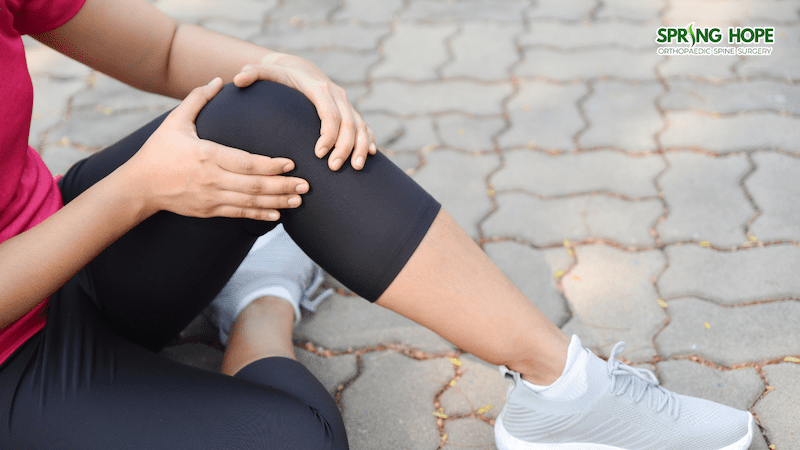
The hallmark symptom of ITBS is pain localized to the lateral, or outer, aspect of the knee. This discomfort is often described as a sharp, stinging, or burning sensation that may be felt just above the joint line. In some cases, the pain may also be felt at the hip or radiate along the entire length of the thigh.
Symptoms typically follow a progressive pattern:
- Early Stages: Discomfort may only appear at the start of exercise and subside once the individual has warmed up.
- Progression: As the condition worsens, the pain becomes more persistent during activity and may reach a level that requires the individual to stop moving.
- Aggravating Activities: Pain is frequently intensified by running downhill, descending stairs, or sitting for extended periods with the knee in a bent position.
- Physical Changes: In some instances, swelling or a thickening of the tissue may be noticed on the outside of the knee.
While ITBS is localized, individuals should be aware of broader symptoms. If knee or hip pain is accompanied by leg weakness, numbness, or shooting sensations down the limb, a more extensive evaluation is necessary.
Diagnosis
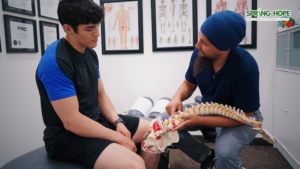
A diagnosis of ITBS is primarily reached through a comprehensive clinical evaluation by a healthcare professional. This process begins with a detailed review of the patient’s activity history, focusing on recent changes in training routines or equipment.
During the physical examination, the professional will assess the knee and hip for tenderness and range of motion. Specific diagnostic maneuvers are often employed:
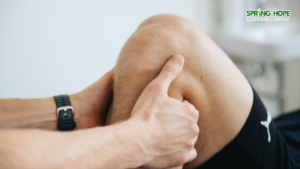
- Palpation: The clinician will apply pressure to the outer thigh bone to identify the specific area of tenderness.
- Provocative Tests: The Noble test involves moving the knee through specific angles to see if pain is reproduced at the point where the band makes contact with the bone.
- Flexibility Assessments: The Ober test is used to determine if there is excessive tightness in the iliotibial band itself.
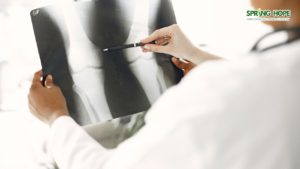
Imaging studies are not always required but may be used to rule out other conditions such as lateral meniscus tears or arthritis. These may include X-rays to examine the bone structure, or Ultrasound and MRI to visualize thickening of the band or fluid collection in the surrounding tissues.
Treatment Options
The management of ITBS focuses on reducing inflammation, addressing underlying biomechanical causes, and facilitating a gradual return to activity. Treatment plans are tailored to the severity of the symptoms and the needs of the individual.
Self-care and Activity Modification The initial phase of treatment often involves resting from the activities that caused the pain. Applying cold packs to the affected area can help manage acute flares and reduce swelling. Individuals may be encouraged to switch to low-impact activities, such as swimming, to maintain fitness without further irritating the band.
Medication Healthcare professionals may recommend oral anti-inflammatory medicines to help alleviate pain and reduce tissue irritation. These are typically used for temporary relief during the acute stage of the injury.
Physiotherapy and Rehabilitation Physiotherapy is a cornerstone of recovery for ITBS. A structured programme often includes:
- Strengthening: Focusing on the hip abductor and core muscles to improve leg stability and reduce strain on the knee.
- Stretching: Targeted exercises to improve the flexibility of the iliotibial band and the surrounding muscle groups.
- Gait Retraining: Professional assessment and modification of running or cycling techniques to ensure proper biomechanics.
- Manual Therapy: Techniques such as myofascial release may be used to address tissue tension.
Injections For individuals experiencing severe pain that does not respond to initial measures, corticosteroid injections may be considered. These are administered into the painful area to provide significant, though temporary, relief from inflammation.
Surgical Treatment Surgery is rarely necessary and is only considered for chronic cases where conservative treatments have been exhausted over several months. Procedures may involve removing a small portion of the band to release tension, lengthening the tissue, or removing an irritated bursa.
Prevention and Lifestyle Management
Preventing the recurrence of ITBS involves maintaining a balance between physical activity and the body’s ability to adapt to load.
- Exercise Guidance: Consistently following a strength and flexibility programme, particularly for the hip and gluteal muscles, is essential for long-term joint health.
- Gradual Progression: When starting a new sport or increasing activity levels, it is vital to do so slowly to allow muscles and tendons to adjust.
- Activity Modification: Choosing to run on flat, even surfaces rather than banked roads or steep hills can significantly reduce the stress placed on the knee.
- Proper Equipment: Ensuring that running shoes fit well and are replaced regularly prevents uneven wear that can alter leg mechanics.
- Warm-up Routines: Performing dynamic stretches and warm-up exercises before heavy physical activity helps prepare the tissues for movement.
When to Seek Medical Attention
While many minor injuries may resolve with rest, certain signs indicate the need for professional evaluation. It is advisable to consult a qualified healthcare professional if you experience:
- Persistent symptoms that do not improve with rest.
- Worsening pain that begins to affect your daily movements or sleep.
- Progressive weakness or a noticeable loss of strength in the leg.
- Numbness or tingling sensations in the lower limb.
Furthermore, immediate medical attention is required for red-flag symptoms such as:
- Loss of bladder or bowel control.
- Severe symptoms following a significant injury or trauma.
If symptoms persist or worsen, it is advisable to consult a qualified healthcare professional for proper evaluation.
——————————————————————————–
Disclaimer: This page is for general educational purposes only and should not be considered medical advice. Please consult a qualified healthcare professional for personalised assessment and treatment.