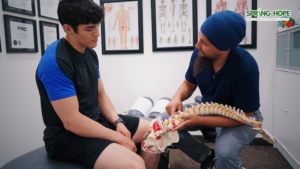






Exercising in the gym is an excellent way to maintain fitness, but it is not without its risks. When performed incorrectly, gym activities can lead to serious spine injuries that impact long-term health and mobility. Understanding how to protect the back is paramount for anyone committed to a sustainable fitness journey.
Spine injuries in the gym can range from back muscle strains and slipped discs to more severe issues like fractures. In the most extreme cases, spinal cord injuries can lead to paralysis. Preventing these outcomes requires a thoughtful approach that combines preparation, proper technique, and mindful exercise habits.
Prioritising Preparation: The Power of a Proper Warm-Up
One of the most effective ways to reduce the risk of injury is to never skip a warm-up. Preparing the body for strenuous activity ensures that muscles are ready for the load ahead. A comprehensive warm-up should include:
- Dynamic Stretching: Engaging in dynamic stretches for the arms, legs, neck, and torso helps increase blood flow to the muscles and prepares the body for intense movements.
- Light Cardio: Spending five to ten minutes on a treadmill or a stationary bike can elevate the heart rate, ensuring that the muscles are adequately warmed up before lifting begins.
Mastering Technique and Maintaining a Neutral Spine
Using the correct technique is the most critical factor in avoiding undue stress on the spine. This is particularly important for high-impact movements like deadlifts and squats.
The Importance of Form
Maintaining a neutral spine position is essential. Allowing the back to round excessively during a lift is a primary cause of spine injury. For beginners, the learning curve can be steep; therefore, it is highly recommended to seek guidance from an experienced trainer to master these movements safely.
Controlled Movements
Jerky movements are a significant risk factor. Every exercise should be performed with controlled, deliberate motion. By eliminating momentum and focusing on the muscle groups intended for the lift, gym-goers can significantly lower the risk of sudden spinal strain.
Building Core Strength for Spinal Support
A strong core acts as a natural brace for the spine, providing the stability needed to handle heavy loads. Incorporating specific exercises into a routine can enhance this functional support.
Functional training exercises that mimic everyday movements are particularly beneficial. Additionally, specific core-focused movements include:
- Planks for isometric stability.
- Bridges to strengthen the posterior chain and core.
- Leg raises to target the lower abdominal muscles.
By building a robust core, athletes provide their spine with the additional support necessary to withstand the rigours of heavy training.
Progressive Loading: Why Heavy Isn’t Always Better
A common mistake in the gym is progressing to super heavy weights too quickly. To avoid straining the spine, it is vital to use appropriate weights that allow for perfect form.
The body requires time to adapt to increased loads. It is safer to start with lighter weights and focus on mastering the form before gradually adding more resistance. A crucial rule of thumb is to listen to the body. If a weight feels too heavy or causes discomfort, it is a signal to stop immediately rather than pushing through the pain.
Enhancing Flexibility and Body Awareness
Flexibility training is often overlooked but plays a significant role in spine health. Reducing tension in the muscles surrounding the spine can prevent injuries caused by stiffness.
Regular static stretching for the back, hamstrings, and hip flexors can improve the range of motion and reduce strain. Furthermore, participating in disciplines like Yoga and Pilates can enhance body awareness and strength, both of which contribute to a healthier, more resilient spine.
The Role of Equipment and Recovery
Safety in the gym also extends to the gear used and the time spent away from the weights.
- Proper Footwear: Wearing supportive footwear with adequate cushioning is important for maintaining posture and overall spine health.
- Equipment Safety: Before using any machine or bench, ensure it is in good condition. Check for loose parts or instability, and ensure everything is properly adjusted to fit your specific height and body mechanics.
- The Power of Rest: Recovery is perhaps the simplest yet most important piece of advice. Rest allows muscles and ligaments to recover from the minor strains of training. The body performs its most essential repairs during sleep.
- Nutrition and Hydration: Staying hydrated and maintaining a balanced diet rich in protein supports the body’s natural recovery processes.
Recognising Warning Signs
It is vital to never ignore warning signs. If any pain or discomfort is felt in the back during an exercise, the activity must stop immediately. Continuing to train while suffering from a potential spine injury can exacerbate the situation and lead to long-term damage.
If pain persists, seeking professional advice from a physiotherapist or a doctor is the safest course of action. Following these guidelines ensures a safe, enjoyable, and injury-free experience in the gym.
Key Takeaways for Gym Spine Safety
- Warm up thoroughly with dynamic stretches and light cardio to prepare the muscles.
- Maintain a neutral spine during all lifts, especially squats and deadlifts, and avoid rounding the back.
- Master the form first by starting with lighter weights and progressing gradually.
- Strengthen your core with planks, bridges, and leg raises to provide better spinal stability.
- Listen to your body and stop immediately if you feel any back pain or discomfort.
- Prioritise recovery through adequate sleep, hydration, and a protein-rich diet.
Conclusion
Protecting the spine in the gym is a lifelong commitment to proper technique and mindfulness. By focusing on preparation, core strength, and gradual progression, gym-goers can enjoy the benefits of strength training without the debilitating setback of a spinal injury. Remember, the goal of exercise is to improve your health, not to compromise it through avoidable risks