





Overview
Golfer’s elbow, medically known as medial epicondylitis, is an orthopaedic condition characterised by pain and tenderness on the inner side of the elbow. The discomfort is typically focused at the bony bump on the inner part of the joint, where the flexor tendons of the forearm attach to the elbow. This area is technically called the medial epicondyle.
The condition develops when the tendons that connect the forearm muscles to the elbow joint become swollen or undergo degenerative changes. While the name suggests it is exclusive to athletes, it is actually a common overuse injury that can affect anyone who performs repetitive wrist and finger movements. It is generally considered a chronic disorder resulting from recurrent stress rather than a single acute inflammatory event.
Causes and Risk Factors
The primary cause of golfer’s elbow is repetitive stress or overuse of the forearm flexor muscles. These muscles are responsible for bending the wrist toward the palm and twisting the forearm. Constant repetition of these movements can lead to microtears within the tendon origin. Over time, these microtears result in a weakening of the collagen fibres and the formation of scar tissue.
Several lifestyle and occupational contributors increase the risk of developing this condition:
- Sporting Activities: Sports involving forceful gripping or throwing, such as golf, racquet sports (tennis and squash), and weightlifting, are common contributors.
- Occupational Demands: Manual labor that requires repetitive forceful gripping or the use of vibrating tools is a significant risk factor. This includes trades such as carpentry, plumbing, and construction.
- Daily Tasks: Regular activities like long hours of computer work, lifting heavy objects with the palm facing up, or even simple tasks like turning doorknobs can contribute if done excessively.
- Technique and Equipment: Improper sporting technique, inadequate flexibility, or poorly fitted equipment (such as incorrect racquet grip size) can place unnecessary strain on the tendons.
Medical and systemic factors also play a role. Advancing age, particularly in middle-aged adults, is a common factor as tendons lose some of their resilience over time. Additionally, conditions such as diabetes and lifestyle habits like smoking have been associated with an increased risk of developing tendinopathies.
Symptoms
Typical symptoms of golfer’s elbow often develop gradually but can occasionally appear suddenly after a specific episode of overuse. The most common indicators include:
- Localised Pain: Aching or sharp pain on the inside of the elbow that may radiate down into the forearm.
- Discrete Tenderness: Discrete point tenderness when pressing on the inner bony prominence of the elbow.
- Weakness: A noticeable decrease in strength when holding objects, squeezing the hand into a fist, or performing activities that involve gripping.
- Stiffness: The elbow joint may feel stiff, and the individual might have difficulty fully straightening the arm.
Symptoms often vary in intensity and may worsen when bending the wrist, twisting the forearm down, or lifting heavy objects. In some cases, patients may also experience intermittent numbness or a “pins and needles” sensation in the ring and little fingers, which suggests irritation of the ulnar nerve near the elbow.
Certain “red-flag” symptoms require urgent medical evaluation to rule out more serious conditions:
- Pain that occurs immediately following a trauma, such as a fall, which may indicate a fracture.
- Significant bruising or severe swelling around the joint.
- Burning pain, which may point toward a complex nerve problem.
- Pain that regularly wakes the patient from sleep.
- Any sudden loss of function or progressive weakness in the hand.
Diagnosis
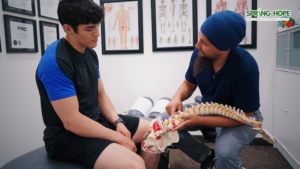
Healthcare professionals generally assess golfer’s elbow through a comprehensive clinical evaluation. The diagnostic process typically begins with a detailed history of the patient’s symptoms and their relationship to specific sports or occupational activities.
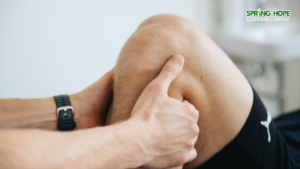
During the physical examination, the professional will check for point tenderness just distal and anterior to the medial epicondyle. They may perform provocative maneuvers, such as asking the patient to flex their wrist against resistance while the elbow is extended. This typically reproduces the characteristic pain. A stretching test, where the wrist is moved into passive extension, may also be used to confirm the diagnosis.
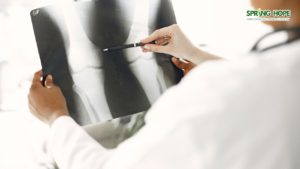
While diagnosis is primarily clinical, imaging tests are sometimes used to confirm the condition or rule out other issues:
- X-rays: These are often normal in early cases but are useful for ruling out fractures or identifying calcium deposits in the tendon.
- Ultrasound: This allows for a dynamic assessment of the tendon and can reveal thickening or partial tears.
- Magnetic Resonance Imaging (MRI): This provides high-level detail of the soft tissues and is particularly useful for assessing the severity of tendinosis or identifying associated ligament injuries.
Treatment Options
Treatment for golfer’s elbow depends on individual evaluation and the severity of the symptoms. Most cases respond well to conservative, non-surgical management.
Self-care and Activity Modification Initial treatment focuses on pain control and allowing the microtears to heal. This involves resting the affected arm and avoiding any activities that provoke pain, such as heavy lifting or repetitive gripping. Regular application of ice packs for approximately ten minutes several times a day can help reduce swelling and discomfort. Using a counterforce elbow strap or brace may also provide relief by reducing the load transmitted to the injured tendon during daily tasks.
Medication Medication categories commonly used include simple oral analgesics for pain relief and non-steroidal anti-inflammatory drugs (NSAIDs) to help manage symptoms during the early stages. These may be administered as oral tablets or topical gels applied directly to the skin over the elbow.
Physiotherapy and Rehabilitation Physiotherapy is a cornerstone of recovery. A structured programme often includes specific stretching exercises for the wrist flexor muscles and a gradual strengthening regime. Eccentric strengthening—where the muscle is simultaneously stretched and strengthened—is often particularly effective for reconditioning the tendon. Physiotherapists may also employ manual therapy, sports taping, or acupuncture to further reduce symptoms and improve mobility.
Injections and Advanced Modalities If symptoms are persistent or difficult to manage, other options may be considered:
- Steroid Injections: A corticosteroid may be injected around the tender area to provide short-term pain relief.
- Biologic Injections: Injection of autologous concentrated plasma (ACP) or platelet-rich plasma (PRP) uses the body’s own blood components to potentially stimulate healing in chronic cases.
- Shockwave Therapy: Extracorporeal shockwave therapy (ESWT) uses pressure waves to stimulate blood circulation and metabolism in the affected tissue, triggering the body’s repair mechanism.
Surgical Treatment Surgery is typically only considered when symptoms have lasted for several months and have not improved despite diligent conservative care. The procedure generally involves a surgical debridement, which is the removal of degenerative or damaged tissue from the tendon origin, sometimes followed by a repair of the healthy tendon back to the bone.
Prevention and Lifestyle Management
Long-term management of golfer’s elbow involves addressing the underlying biomechanical causes to prevent recurrence.
Posture and Ergonomics In the workplace, it is important to limit repetitive forceful movements. Using ergonomic tools and vibration-dampening equipment can significantly reduce the strain on the upper limbs. Adjusting the height of a desk or computer setup to ensure a neutral wrist position can also be beneficial.
Exercise Guidance Maintaining a consistent home exercise programme is vital even after the pain has resolved. This should focus on flexibility and strength of the forearm musculature, as well as the shoulder girdle and core, to ensure the arm can handle functional loads.
Activity Modification and Daily Considerations If sports or a specific occupation contributed to the initial injury, an assessment of technique is recommended. Professionals can help correct sporting mechanics or suggest task rotation in high-risk jobs. Taking frequent short breaks during repetitive tasks is a simple but effective practical consideration.
When to Seek Medical Attention
While many cases of golfer’s elbow improve with rest and basic self-care, professional evaluation is important in several scenarios. You should consult a healthcare professional if you experience:
- Pain that persists despite several weeks of rest and activity modification.
- Symptoms that worsen over time or start to interfere with sleep.
- Progressive weakness in your grip or an inability to perform daily tasks.
- Numbness, tingling, or a “funny bone” sensation in the fingers.
- Acute pain or loss of motion immediately following an injury or trauma.
If symptoms persist or worsen, it is advisable to consult a qualified healthcare professional for proper evaluation.
——————————————————————————–
Disclaimer: This page is for general educational purposes only and should not be considered medical advice. Please consult a qualified healthcare professional for personalised assessment and treatment.