




Knee pain caused by arthritis can significantly restrict daily mobility and diminish overall quality of life. When the protective cartilage within the joint wears down, the resulting friction between exposed bones can make simple tasks like walking increasingly painful. While non-surgical treatments are often the initial line of defence, total knee replacement surgery offers a reliable solution when conservative measures no longer provide relief. This guide explores how knee replacement surgery works, what the recovery timeline entails, and how modern orthopaedic implants help restore painless movement.
What Causes Severe Knee Joint Pain?
The Impact of Knee Arthritis
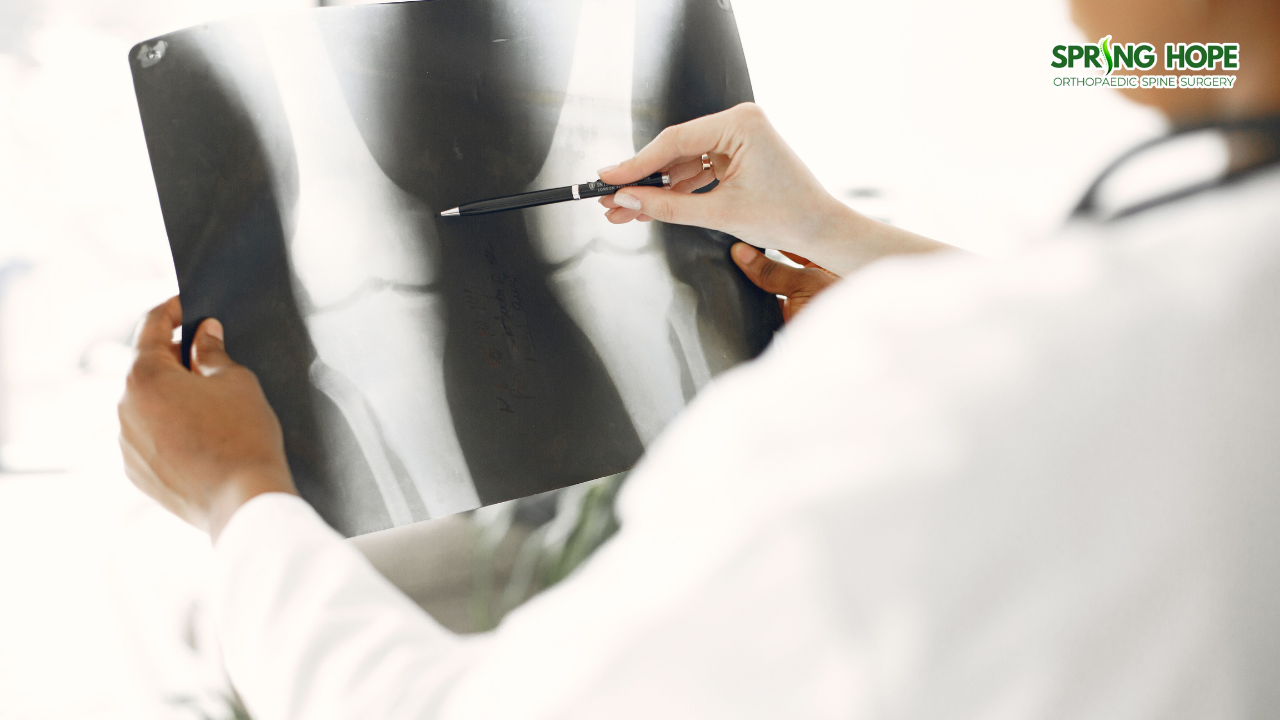
Knee arthritis is primarily driven by natural wear and tear over time. Within a healthy joint, cartilage acts as a smooth cushion between bones. As arthritis progresses, this cartilage degrades alongside changes in the underlying bone structure.
When joint cartilage wears away completely, the underlying bones are left exposed. During movement, particularly when walking on flat ground, these exposed bone surfaces rub directly against one another. This bone-to-bone friction causes significant discomfort and stiffness, with the severity of pain depending on the extent of joint degradation.
Non-Surgical Treatments for Knee Arthritis
Surgical intervention is not required for every individual experiencing knee arthritis. In many cases, non-surgical management is recommended first to control symptoms and preserve joint function. Conservative options include:
- Activity Modification: Adjusting daily routines to avoid high-impact movements or activities that place unnecessary stress on the knee joint.
- Medication: Utilizing prescribed or over-the-counter pharmacological treatments to manage pain and discomfort.
- Joint Injections: Targeted therapeutic injections administered into the knee to reduce joint pain.
When these conservative measures fail to alleviate persistent pain, individuals may benefit from consulting an orthopaedic specialist at a knee clinic to evaluate whether total knee replacement surgery is appropriate.
The Total Knee Replacement Surgical Procedure
Anesthesia Options
Total knee replacement is a routine surgical procedure performed under either general anesthesia or spinal anesthesia. The choice of anesthesia ensures the patient remains entirely pain-free and comfortable throughout the operation.
Resurfacing the Joint with Implants
Rather than removing the entire joint structure, total knee replacement focuses on resurfacing the damaged areas. During surgery:
- The damaged cartilage and worn bone surfaces are carefully resurfacing.
- Medical-grade implants are placed over the exposed areas to recreate a smooth joint surface.
- The implants replace the natural friction-free function of the knee joint.
By covering the raw bone surfaces that previously rubbed together, the implant eliminates bone-to-bone friction, addressing the primary source of arthritic pain.
Post-Operative Recovery and Rehabilitation Timeline
Early Mobility and Walking Aids
Rehabilitation begins almost immediately after surgery. Patients are encouraged to stand and begin walking as early as post-operative Day 1 or Day 2 with the support of a walking aid. Early mobility promotes joint function and aids in the recovery process.
Hospital Stay and Pain Reduction
Patients typically remain hospitalized for approximately five days following the procedure. This period allows medical staff to monitor early recovery and ensure the patient is mobilizing safely.
As healing progresses, patients experience a substantial reduction in joint pain compared to their pre-surgery condition.
Long-Term Outcomes and Implant Durability
The ultimate goal of total knee replacement is to restore functional independence and improve overall well-being. Following full recovery, individuals can expect meaningful long-term benefits:
- Extended Walking Capacity: The ability to walk longer distances without severe knee pain.
- Enhanced Quality of Life: Greater ease in participating in social activities and daily routines.
- Exceptional Longevity: Modern orthopaedic knee implants are highly durable, with design lifespans lasting more than 20 years.
Key Takeaways
- Targeted Relief for Arthritis: Total knee replacement addresses severe knee arthritis by eliminating bone-to-bone friction caused by cartilage loss.
- Conservative Options First: Non-surgical treatments, including activity modification, medications, and joint injections, should be explored before surgery.
- Resurfacing Approach: The surgical procedure resurfaces damaged cartilage using specialized implants under general or spinal anesthesia.
- Quick Recovery Milestones: Patients begin walking with a walking aid on Day 1 or Day 2 post-surgery, with an average hospital stay of five days.
- Durable Outcomes: Modern knee implants last more than 20 years, allowing patients to walk further and enjoy social activities pain-free.
Conclusion
Total knee replacement surgery is a proven surgical intervention for individuals suffering from advanced knee arthritis. By resurfacing damaged joint cartilage with durable implants, the procedure successfully eliminates painful bone friction and restores mobility. For those whose daily lives remain impacted despite conservative care, exploring surgical solutions can pave the way toward a more active and pain-free future.
Medical Disclaimer: The content provided in this article is for general educational purposes only and does not constitute medical advice. Individuals experiencing joint pain should seek personalized advice and medical evaluation from a qualified healthcare professional.