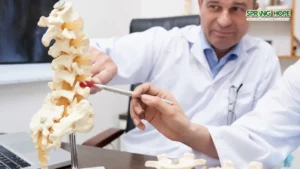





Lower back discomfort can significantly affect daily mobility and overall well-being. One common condition affecting the lower spine is lumbar spinal stenosis, which involves the narrowing of the space where nerves travel through the lower back. While symptoms often develop gradually, understanding how the condition progresses and knowing when to seek care is essential for maintaining spinal health.
What Is Lumbar Spinal Stenosis?
Lumbar spinal stenosis refers to the narrowing of the neural pathways in the lower back. This condition is closely tied to degenerative changes associated with the natural ageing process, a progression that medical professionals often refer to as spondylosis.
Several structural changes in the lower lumbar spine contribute to this narrowing:
- Arthritis in the facet joints: Structural wear within the spinal joints reduces available nerve space.
- Thinning of the spinal discs: Disc degeneration reduces the cushioning distance between vertebrae.
- Thickening of the spinal ligaments: Ligament enlargement further restricts the pathway intended for spinal nerves.
Although lumbar spinal stenosis is most frequently diagnosed in elderly individuals over 60 years of age, it can also develop in younger individuals. The condition typically affects the lower section of the lumbar spine.
Common Symptoms and Progression
In its initial stages, lumbar spinal stenosis frequently produces no noticeable symptoms. As the underlying changes progress, symptoms tend to emerge slowly and fluctuate over time, featuring alternating periods of heightened discomfort and times with few or no symptoms at all.
As the condition advances, individuals commonly experience the following indicators:
- Cramping pain: Discomfort often affects the calves, thighs, and buttocks, particularly while walking.
- Relief with sitting: The cramping pain typically subsides when sitting down, a hallmark feature known as neurogenic claudication.
- Persistent pain: Over time, discomfort may become more constant or severe.
- Neurological sensations: Sensations of tingling, numbness, and physical weakness may occur in the legs.
Recognizing Cauda Equina Syndrome: A Medical Emergency
In the vast majority of cases, spinal stenosis is not a severe or dangerous condition. Serious complications remain rare, but immediate medical attention is critical if severe nerve compression occurs.
A critical complication arises when stenosis compresses the cauda equina, a collection of nerve roots located at the base of the spinal cord in the lumbar region. Compression across these nerve roots, particularly those supplying the bowel and bladder, leads to cauda equina syndrome.
Key warning signs and emergency protocol include:
- Difficulty passing urine: An inability to urinate is a primary indicator of cauda equina compression.
- Immediate hospital evaluation: Individuals unable to pass urine must go directly to a hospital emergency department.
- Emergency surgical intervention: Immediate surgery is necessary to free up nerve compression; delayed treatment can result in permanent nerve damage and unrecoverable nerve function.
Treatment Approaches for Lumbar Spinal Stenosis
Managing spinal stenosis begins with non-invasive measures, advancing to invasive options only when necessary to restore daily functionality. Patients seeking evaluation can consult an orthopaedic spine clinic or medical specialist to discuss an appropriate treatment plan.
Conservative Care
For most individuals, treatment starts with non-surgical management:
- Medication: Helps manage discomfort during flare-ups.
- Physical therapy and exercise: Promotes mobility and strengthens supporting structures.
- Weight management: Helps reduce physical strain on the lower back.
Invasive and Surgical Options
When conservative therapies do not provide sufficient relief, or when symptoms worsen and interfere with daily mobility and everyday life, more advanced interventions may be considered:
- Spinal injections: Targeted procedures to alleviate worsening symptoms.
- Spinal surgery: Evaluated when severe pain or significant dysfunction impairs daily living, allowing the patient to decide on surgical intervention to relieve spinal pressure.
Key Takeaways
- Structural Narrowing: Lumbar spinal stenosis is caused by age-related degenerative changes (spondylosis), including facet joint arthritis, disc thinning, and ligament thickening.
- Distinct Symptoms: Leg cramping during walking that is relieved by sitting is known as neurogenic claudication, alongside possible numbness, tingling, or weakness.
- Red Flag Indicator: Inability to pass urine signals cauda equina syndrome, requiring immediate emergency hospital evaluation and emergency surgery to prevent permanent nerve damage.
- Progressive Care: Treatment begins with conservative options like medication, physical therapy, exercise, and weight management before considering injections or surgery.
Conclusion
Lumbar spinal stenosis is a manageable condition when recognized early and addressed with the right care. Understanding how symptoms evolve and recognizing emergency red flags empowers individuals to make informed decisions about their spinal health. Whether through conservative physical therapy or surgical intervention, appropriate medical management aims to protect mobility and support long-term well-being.
Medical Disclaimer
This article is for general educational purposes only and does not constitute personalized medical advice. Individuals experiencing persistent lower back pain, leg weakness, or urinary difficulties should consult a qualified healthcare professional or seek immediate emergency medical care when indicated.