




Osteoporosis is a widespread bone condition that quietly affects millions of older adults worldwide. Characterised by a reduction in bone mass and density, it leaves bones fragile, brittle, and far more vulnerable to sudden fractures. Because bone loss occurs gradually over time without obvious pain or visible warning signs, many individuals remain completely unaware of their condition until a severe injury occurs.
Understanding how osteoporosis develops, identifying key risk factors, and taking proactive steps toward early detection can significantly reduce the risk of debilitating bone injuries in later years.
What Is Osteoporosis and Why Is It Called a Silent Disease?
Osteoporosis is medically defined as a disease that weakens bones by reducing overall bone mass and density. Under normal conditions, healthy bone structure maintains a strong framework. However, when bone density diminishes, the internal architecture of the bone becomes porous and weak.
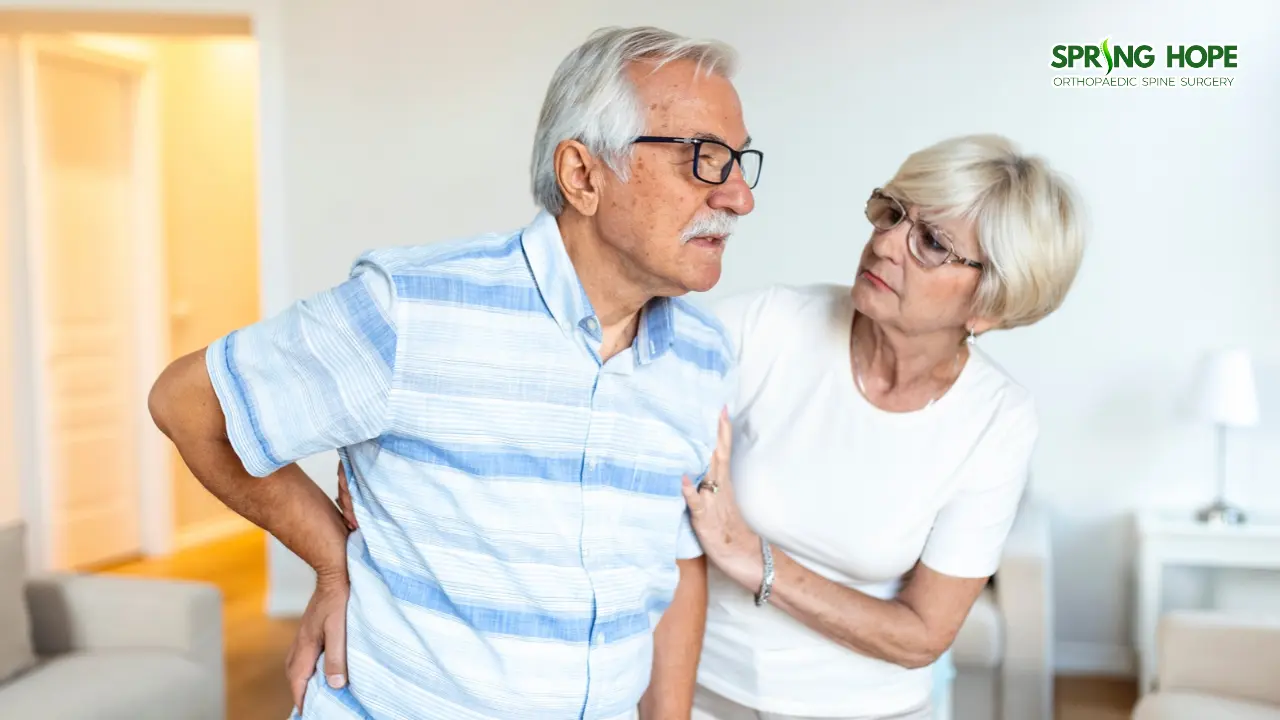
A defining characteristic of osteoporosis is that it operates as a silent disease. In its early and moderate stages, individuals generally experience no outward symptoms. People with osteoporosis live, move, and carry out daily activities just like anyone else, without feeling any physical discomfort. As a result, the disease often progresses unnoticed.
The Importance of Regular Bone Screening
Because osteoporosis develops quietly, regular health screening is vital, particularly for older adults. Detecting bone loss before a fracture occurs allows for timely intervention and proper management.
Medical screening for osteoporosis typically involves two primary diagnostic evaluations:
- Bone Density Scan: Evaluates the structural strength and density of the bones.
- Blood Tests: Measures levels of essential nutrients, specifically calcium and vitamin D, which are critical for maintaining healthy bone matrix.
Key Risk Factors: Who Is Most Vulnerable?
While osteoporosis can affect anyone regardless of background, specific biological and demographic factors increase an individual’s susceptibility to significant bone loss.
1. Gender and Post-Menopausal Changes
Women face a substantially higher risk of developing osteoporosis compared to men. In fact, menopause is identified as the most common cause of osteoporosis. Women naturally possess smaller bone structures and experience rapid bone loss following menopause due to hormonal changes.
2. Advancing Age
Age is another primary risk factor. Human bone mass reaches its peak during young adulthood and gradually begins to decline thereafter. As individuals grow older, the rate of bone loss accelerates. Among adults aged 70 to 79 years, approximately 25 percent suffer from osteoporosis, with the prevalence in women being double that in men.
3. Ethnicity
Race plays a notable role in bone density variations. Research indicates that Caucasians and Asians are predisposed to a higher risk of osteoporosis compared to darker-skinned races.
4. Family History
Genetic predisposition is a strong indicator of risk. Individuals who have a family history of osteoporosis are more likely to develop the condition themselves.
Osteoporotic Fractures and Treatment Needs
When osteoporosis progresses without treatment, bone structural integrity drops to dangerously low levels. By the time an individual suffers a fracture from a minor fall or impact, the underlying osteoporosis is usually very severe.
Common Sites for Osteoporotic Fractures
Osteoporotic fractures predominantly occur in three critical skeletal areas:
- The Spine: Vertebral fractures can compromise structural alignment and mobility.
- The Wrist: Often caused by attempting to break a fall.
- The Hip: A serious injury that can severely impair independence and long-term movement.
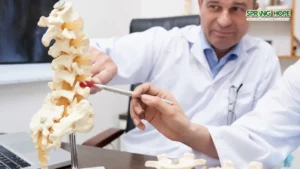
When a fracture takes place in the back or spinal column, receiving specialised evaluation from a medical expert or visiting an established spine clinic is essential for proper orthopaedic management.
A Two-Pronged Approach to Medical Care
A critical aspect of managing osteoporotic injuries is recognizing that treating the physical fracture alone is insufficient. To break the cycle of recurring injury, the underlying osteoporosis itself must be medically treated alongside the fracture. Addressing bone density directly is the only reliable way to help prevent subsequent fractures from occurring.
Prevention, Lifestyle Habits, and Medical Management
Although bone mass naturally declines with age, osteoporosis remains a manageable and preventable condition. Adopting healthy lifestyle habits early in life and maintaining them into older age can help preserve bone density.
Effective Preventive Steps
To protect bone structure and maintain overall skeletal strength, individuals are advised to incorporate the following preventive measures into their routine:
- Engage in Regular Exercise: Participate consistently in weight-bearing exercises to stimulate and strengthen bone tissue.
- Maintain Adequate Nutrition: Consume a balanced diet containing sufficient amounts of calcium and vitamin D.
- Get Regular Sun Exposure: Spend adequate time outdoors in the sunlight to support natural vitamin D synthesis.
- Avoid Harmful Substances: Refrain from smoking and avoid excessive alcohol intake, as both habits negatively impact bone mass.
Medical Options and Managing Co-Existing Health Conditions
Osteoporosis is a treatable condition, and diagnosis should never be ignored even if physical symptoms are absent. For individuals with co-existing medical issues, such as thyroid problems or hormonal imbalances, proper management of these underlying health conditions is essential, as they can directly exacerbate bone loss.
In addition to dietary intake of calcium and vitamin D, doctors can prescribe targeted medications to treat osteoporosis. Consulting a regular doctor is the best course of action to evaluate individual risk factors and determine which medical treatment is most suitable.
Key Takeaways
- Osteoporosis diminishes bone mass and density, making bones fragile without causing early physical symptoms.
- Menopause is the single most common cause of osteoporosis, leading to higher rates of bone loss in women.
- Approximately one in four adults between the ages of 70 and 79 has osteoporosis, with women affected at twice the rate of men.
- Screening through bone density scans and calcium and vitamin D blood tests is essential for early detection in the elderly.
- Common osteoporotic fracture sites include the spine, wrist, and hip.
- Effective treatment requires addressing both the immediate fracture and the underlying bone density loss to prevent future injuries.
- Preventive habits include weight-bearing exercise, sufficient calcium and vitamin D intake, regular sun exposure, and avoiding smoking and excessive alcohol.
Conclusion
Osteoporosis may be known as a silent disease, but its potential consequences are serious and far-reaching. By recognising major risk factors such as age, gender, post-menopausal changes, and family history, older adults can take proactive control of their bone health. Through regular screening, healthy lifestyle choices, and timely medical intervention advised by a trusted doctor, it is possible to manage bone density effectively and reduce the likelihood of severe fractures in the future.
Disclaimer: This article is intended for general educational and informational purposes only and should not be used as a substitute for professional medical advice, diagnosis, or treatment. Always consult a qualified healthcare provider or your regular doctor regarding any medical condition or health concern.