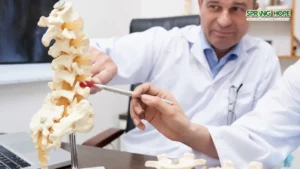





Spinal stenosis is a degenerative condition characterized by the narrowing of the spinal canal, which can lead to compression of the surrounding spinal nerves. Individuals experiencing this condition frequently report cramping pain in the calves, thighs, and buttocks while walking. This discomfort is typically relieved by sitting down, though in severe cases, pain in the legs may remain constant throughout the day.
While spinal stenosis is a structural issue, surgical intervention is not always required. Mild to moderate cases often respond favorably to conservative, non-invasive therapies. Seeking guidance from a qualified orthopaedic specialist or a dedicated spine clinic can help patients establish a structured, non-surgical management plan tailored to their needs.
Understanding Non-Surgical Management for Spinal Stenosis
When managing spinal stenosis without surgery, treatment focuses on reducing nerve irritation, improving functional mobility, and slowing down degenerative changes. A comprehensive conservative approach generally incorporates four primary pillars:
- Physical therapy and targeted exercises
- Activity modification and posture adjustments
- Weight management
- Medical management
Each of these components plays a distinct role in relieving symptoms and supporting spinal health.
Physical Therapy and Core Strengthening Exercises
Exercise serves as a cornerstone of conservative treatment. Although core strengthening exercises do not provide a structural cure for spinal stenosis, they stabilize the spine, alleviate symptoms, and help slow down ongoing wear and tear.
Remaining Active
It is crucial for individuals with spinal stenosis to maintain regular activity within their pain tolerance and preserve their walking distance. Prolonged inactivity should be avoided, as sitting or resting excessively weakens the supporting spinal muscles and compromises joint stability over time.
Transitioning to Self-Directed Home Care
Most patients begin their recovery under the guidance of a physiotherapist. Once proper technique is established, individuals can transition to performing core strengthening exercises independently at home. Consistency is essential, as meaningful improvement relies on daily diligence and continuous personal effort.
Recommended Exercise Modifications
Certain types of cardiovascular exercise are particularly well-suited for spinal stenosis:
- Stationary Cycling: Riding a stationary bicycle while leaning slightly forward on the handlebars is a highly recommended exercise. This forward-leaning angle creates subtle flexion in the lower back, which temporarily opens the spinal canal and eases pressure on compressed nerves.
The Role and Limitations of Spinal Braces
Spinal braces are sometimes considered by individuals seeking relief from back instability or pain. However, long-term use of a spinal brace is generally discouraged for spinal stenosis.
- Temporary Relief versus Long-Term Weakness: While a brace may offer temporary support for an unstable spine, wearing one continuously can lead to back stiffness, weaken core muscles, and ultimately exacerbate spinal instability.
- Appropriate Short-Term Usage: In situations involving acute or severe pain flares, a spinal brace may be worn for brief periods to manage discomfort. Once the pain subsides, the brace should be removed so the individual can return to active movement and core strengthening routines.
Activity Modification and Postural Considerations
Adjusting daily physical habits prevents unnecessary stress on the spinal canal and minimizes painful symptom flare-ups.
Activities to Avoid
Certain movements naturally reduce space within the spinal canal and should be avoided or performed with extreme caution:
- Back Extension: Bending backwards narrows the spinal canal, aggravating nerve compression.
- Heavy Lifting: Carrying heavy objects increases axial loading and compression forces across the lumbar spine.
- Overhead Reaching: Activities requiring overhead extension often force the lower back into extension, increasing pressure on compressed nerves.
Proper Walking Posture
Patients with lumbar spinal stenosis frequently find that bending forward or adopting a stooped posture provides immediate comfort. This occurs because forward flexion opens the spinal canal.
However, walking in a prolonged stooped posture should be avoided. Walking while bent forward accelerates wear and tear on the intervertebral discs. Patients are advised to walk as upright as possible to protect the integrity of their spinal discs over the long term.
Weight Management and Spinal Pressure
Body weight exerts continuous mechanical pressure on the spine and adjacent nerve structures. For individuals who are overweight, excess body weight increases compressive forces across the lumbar region and intensifies nerve irritation.
Reducing body weight to an ideal level decreases physical load on the spine, reduces nerve compression, and enhances the overall effectiveness of exercise programs.
Medication Options for Symptom Management
Pharmacological treatments are used alongside exercise and activity adjustments to control pain and support nerve recovery.
Painkillers and Anti-Inflammatory Medications
Short-term use of painkillers and anti-inflammatory drugs helps control pain spikes. Lowering pain levels enables patients to participate comfortably in physical therapy and daily core strengthening routines. These medications are intended for temporary use during acute phases rather than prolonged consumption.
Nerve Function Medications
Specialized medications designed to strengthen and improve nerve function are generally safe for long-term administration. These prescriptions help support nerve health and manage chronic neuropathic discomfort. Patients should always consult a medical professional to determine the appropriate medication regimen for their specific condition.
When to Consider Advanced Medical Interventions
For many patients, mild to moderate spinal stenosis responds well to a dedicated conservative treatment program. However, if severe symptoms persist or become disabling despite consistent core exercises, activity adjustments, and medical management, further clinical evaluations may be required. In such cases, secondary treatment options such as targeted spinal injections or surgical procedures may be discussed with an orthopaedic specialist.
Key Takeaways
- Conservative Care is Effective: Mild to moderate spinal stenosis can often be managed successfully without surgical intervention.
- Exercise Stabilizes the Spine: Core strengthening exercises and stationary cycling help slow wear and tear, maintain stability, and relieve symptoms when performed daily.
- Avoid Prolonged Brace Use: Spinal braces should only be used temporarily during severe pain episodes, as prolonged reliance weakens spinal muscles.
- Maintain Upright Walking Posture: Although leaning forward offers temporary relief, walking upright prevents accelerated disc degeneration.
- Combine Therapies: Optimal results come from combining weight management, activity modifications, temporary pain relief, and long-term nerve-support medications.
Conclusion
Managing spinal stenosis requires a balanced, structured approach that prioritizes long-term spinal stability and symptom management. By staying active, adopting proper postural habits, performing daily core strengthening routines, and working closely with healthcare professionals, individuals can effectively minimize discomfort and preserve their mobility without immediately relying on surgery.
Medical Disclaimer
This article is provided for general educational and informational purposes only and does not constitute formal medical advice, diagnosis, or treatment. Individuals experiencing symptoms of spinal stenosis should consult a qualified healthcare professional or orthopaedic specialist to receive a personalized evaluation and medical management plan.