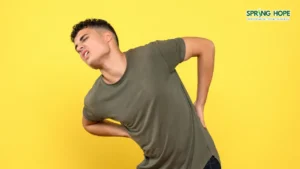






Are you or your family member experiencing some sort of discomfort around the back or neck area? Does the discomfort often feels like a tingling or numbness sensation? Sometimes even creeping down the limb?
If these sensations sound familiar, you are certainly not alone. When individuals notice such physical signs, they often look into conditions like a slipped disc or herniated disc to make sense of what they are feeling. At Spring Hope Clinic, we frequently speak with individuals who want clear, reliable information about spinal health. To help you better understand these physical signals, this article explores what a slip disc is, how it feels, why it may happen, and the various treatment options a spine specialist may discuss.
So what is a slipped disc?
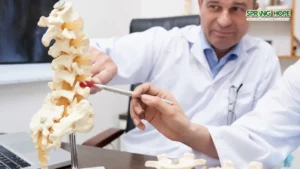
Understanding the slip disc meaning starts with knowing what a spine disc does. The spine consists of a series of bones called the vertebrae, and nestled between those bones are a layer of soft gel-like centre, that acts as a cushion or shock absorber. These discs allow the spine to bend and move smoothly while preventing the vertebrae from grinding against each other.
A slipped disc however occurs when the soft centre of these discs tear, causing the soft gel-like material to slip out.
Slipped Disc or Herniated Disc: What is the difference?
People often ask whether there is a difference between slipped disc and herniated disc. To clear things up, the disc doesn’t actually slip out of the spine entirely; rather, it just leaks the soft gel-like material inside, causing the disc to bulge or rupture. Therefore, both slipped disc and herniated disc describe the same underlying spinal condition. Clinically and medically, the two terms can be interchangeable, as “Herniated Disc” is just how healthcare professionals prefer to call it. In other words, the herniated disc meaning is the same as a slipped disc.
Slipped Disc Symptoms
How a slipped disc feels can vary depending on where it occurs along the spine. Whether it places pressure on nearby nerves, and the size of the herniation. Some people notice discomfort around the neck and shoulders, while some can feel it significantly more on the lower back and legs.
Slipped disc symptoms, are not the same for everyone. Symptoms can range from a dull ache, a sharp shooting pain, stiffness, tingling, pins and needle, or numbness that travels down the spine into the leg or arm. Because every spine is unique, symptoms can manifest differently from person to person, ranging between mild discomfort to more noticeable pain depending on individual pain tolerance too.
What Causes a Slipped Disc?
Specialists often look at everyday activities when a slipped disc occurs. Slip disc causes, often come down to a mix of age and everyday strain. Over time, natural wear and tear associated with aging can cause the spinal discs to lose some of their flexibility and water content, making them more vulnerable to structural changes. When this is combined with activities such as heavy lifting, sudden awkward twists, or physical strain from demanding activities, the risk of slipped disc rises.
In short, it is the interaction of physical strain and natural aging with spinal anatomy over the years.
Slipped Disc Treatment: From Medication to Surgery
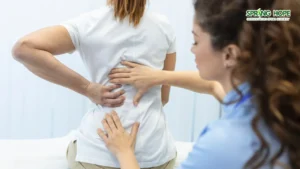
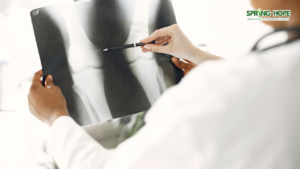
When an individual consults a medical professional about spinal discomfort, a spine specialist will first conduct a thorough assessment before discussing possible approaches. Because like we’ve mentioned before, every spine is unique, the most suitable approach differs from person to person. This is why slipped disc treatment can look different for each person.
For a milder discomfort, a specialist may first discuss non-surgical options like:
1. Physiotherapy: To strengthen the surrounding muscles
2. Activity Modification: To avoid aggravating strains
3. Mild Medications: To manage discomfort
In some cases, spinal injection may also be considered by the specialist to help reduce localized inflammation. However, these options are usually discussed with a doctor after an assessment.
When is Slipped Disc Surgery Considered?
If your symptoms worsen beyond the conservative symptoms, particularly when the pain starts going down on both your leg, and your bowel and bladder function is disturbed, making it difficult to go to the toilet, this may indicate a more severe condition called Cauda Equina Syndrome. In such cases, a specialist may discuss surgery, such as microdiscectomy.
Microdiscectomy is also considered when there’s an imbalance proportion between the size of the slipped disc and the severity of the symptoms you experience.
Talking to a Spine Specialist
You do not have to navigate back or neck discomfort alone. If you or a loved one are experiencing symptoms that persist or raise concerns, seeking professional guidance is the best way forward. You can contact our spine specialist at Spring Hope Clinic to schedule a consultation and learn more about how your individual spinal health can be supported through our spine clinic.
Frequently Asked Questions
What causes a slipped disc?
A slipped disc can be caused by natural aging and wear and tear on the spine, as well as lifestyle factors such as heavy lifting, sudden physical strain, or repetitive movements that place stress on the back.
What are the common slipped disc symptoms?
Common signs include localized discomfort in the neck or lower back, as well as sensations like tingling, pins and needles, numbness, or shooting discomfort that travels down the legs.
Does a slipped disc always need surgery?
No, a slipped disc does not always require surgery. Many cases are managed with conservative approaches such as physiotherapy and activity modifications, and surgery is only one of several options discussed with a specialist after an individual assessment.
Medical Disclaimer
This article is intended strictly for general educational purposes and does not constitute personalized medical advice. If you are experiencing severe back pain, shooting leg symptoms, or weakness, please consult a qualified healthcare professional or orthopaedic specialist for proper medical evaluation and care.