





Imagine waking up every single morning to a reality where the back feels as rigid as a piece of bamboo. For those living with Ankylosing Spondylitis, this isn’t just a hypothetical scenario; it is a daily challenge that transforms even the simplest movements into significant hurdles. While many people are familiar with general back fatigue, this specific condition represents a much deeper clinical mystery that significantly impacts physical health and overall quality of life.
Often referred to as “AS,” Ankylosing Spondylitis is a chronic inflammatory condition that primarily targets the joints within the spine. If left unmanaged, the persistent inflammation can lead to severe pain, stiffness, and in some cases, permanent disability. To navigate this condition effectively, it is essential to understand how it develops, how to recognize the warning signs, and what steps can be taken to maintain a fulfilling, active life.
The Mechanics of a Fusing Spine
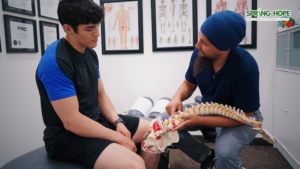
The term “Bamboo Spine” is frequently used to describe the advanced stages of this condition. This occurs because the vertebrae in the spine can eventually fuse together. When the bones of the spine join in this way, the back loses its natural flexibility, becoming rigid and fixed in place. This fusion often results in a distinct Hunchback posture, which can severely limit a person’s range of motion.
Despite the profound impact AS has on physical function, it remains a condition that is relatively unheard of by the general public. Understanding the “why” behind this spinal fusion is the first step in identifying the disease early.
The Mystery of Origins: Genetics and Risk Factors
The exact reason why some individuals develop Ankylosing Spondylitis remains a medical mystery. However, research indicates that genetics play a cornerstone role in its development. A significant majority of individuals diagnosed with AS carry a specific gene known as HLA-B27.
It is important to note that carrying the HLA-B27 gene does not guarantee a person will develop the condition; rather, it simply increases the statistical risk. Other factors that may contribute to the onset of AS include:
- Gender: The condition is more frequently observed in men than in women.
- Family History: Having a relative with the condition can heighten the likelihood of development.
- Environmental Triggers: Certain infections are believed to potentially increase the risk for those already predisposed to the disease.
Identifying the Hallmark Symptoms
One of the primary challenges in managing Ankylosing Spondylitis is that it typically begins in late adolescence or early adulthood, a time when many people might dismiss back pain as a result of sports or minor strain. However, the pain associated with AS has very specific “hallmark” characteristics that differentiate it from common mechanical back issues.
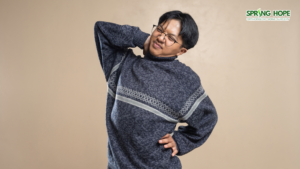
The most defining symptom is chronic back pain and stiffness that follows a specific pattern: it worsens during periods of rest or inactivity and improves significantly with physical activity. This means that individuals often find their symptoms are at their absolute worst first thing in the morning or after sitting for a long duration.
As the inflammatory process continues over time, it may lead to the aforementioned stiff and Hunchback posture. Furthermore, AS is a systemic condition, meaning it can affect parts of the body beyond the spine, such as the eyes and the urinary tract.
The Challenge of a Clear Diagnosis
Getting a definitive diagnosis for AS can be a slow and difficult process. Because the symptoms develop gradually and mimic more common types of back pain, many people live with the condition for years before it is formally identified.
When a medical professional suspects Ankylosing Spondylitis, they typically rely on a combination of imaging and laboratory work:
- X-rays: This remains the most effective modality for detecting the physical changes in the spine associated with AS.
- Laboratory Screening: Tests are used to look for the HLA-B27 gene and to check for elevated inflammatory markers in the blood, which are usually positive in those with the condition.
Early detection is the ultimate goal, as early intervention is the only way to prevent irreversible damage to the joints and the development of spinal deformities.
Strategies for Management and Treatment
While there is currently no known cure for Ankylosing Spondylitis, modern medicine offers several paths to manage symptoms and preserve mobility. The focus of any treatment plan is to reduce inflammation and ensure the spine remains as flexible as possible for as long as possible.
Medical and Physical Interventions
- Medication: These are primarily used to target and reduce both pain and active inflammation.
- Physical Therapy: Specialized exercises are crucial for maintaining spinal flexibility and preventing the “fusing” effect.
- Surgery: In rare or severe cases, surgery may be required to correct deformities or to address complications like spine fractures, which occur more frequently in those with AS.
Proactive Lifestyle Adjustments
A significant portion of managing AS happens outside of the clinic. Adopting a healthy lifestyle is one of the most effective ways to reduce symptoms and improve overall well-being. Key lifestyle changes include:
- Engaging in regular exercise to keep the joints moving.
- Practicing smoking cessation.
- Maintaining a healthy weight to reduce the load on the spine.
Key Takeaways
- Ankylosing Spondylitis (AS) is a chronic inflammatory condition that can cause the vertebrae to fuse, leading to a “Bamboo Spine”.
- Genetics are a major factor, with the HLA-B27 gene significantly increasing the risk of development.
- Pain patterns are unique; symptoms are typically worse in the morning or after rest and improve with movement.
- Early intervention is vital to preventing permanent spinal deformity and maintaining a high quality of life.
- Active management, including physical therapy and lifestyle changes like regular exercise and quitting smoking, can help individuals lead fulfilling lives.
Looking Forward
Living with Ankylosing Spondylitis certainly presents its share of challenges, but a diagnosis does not mean the end of an active life. The journey involves finding a personalized approach that works, staying physically active, and seeking support when needed. By staying informed and prioritizing early detection, individuals can take control of their health and continue to lead active, fulfilling lives despite the constraints of the condition.
——————————————————————————–
Disclaimer: The information provided in this article is for educational purposes only and should not be taken as personalized medical advice. Please consult with a healthcare professional for diagnosis and treatment options.