





Finding out that a child might have a curvature of the spine can be a daunting experience for any parent. It often leads to a flurry of questions about what caused it, how it will progress, and what the future looks like for their health and activity levels. Understanding the basics of scoliosis is the first step in managing the condition effectively and ensuring a child receives the right care at the right time.
Essentially, scoliosis is a condition where the spine, which should appear straight when viewed from the front or back, develops a sideways bend. While this can seem alarming, most cases occur during the adolescent years, a period of rapid change and growth. Statistically, this condition is more prevalent in girls, who make up approximately 75% of those affected.
To help navigate this journey, here are five essential facts every parent should understand about adolescent scoliosis.
1. Growth Requires Constant Monitoring
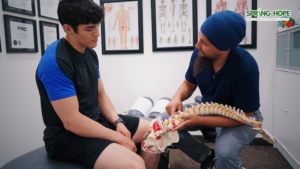
One of the most critical aspects of managing scoliosis in children is regular follow-up, which typically involves professional evaluation at a specialised spine clinic. The reason for this is closely tied to a child’s development; the magnitude of the spinal deformity typically increases during growth spurts. Because of this, medical professionals must monitor the spine very closely until the child reaches skeletal maturity.
Once a child has finished growing, the approach to follow-up changes:
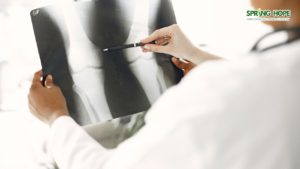
- Small Curves: If a series of X-rays confirms that a small curve is no longer progressing as the child enters adulthood, further follow-ups are generally not required.
- Large Curves: For curves that exceed 50 degrees, the situation is different. These larger curvatures often continue to worsen even after the child has reached full physical maturity.
2. Scoliosis Can Worsen, But It Does Not “Correct” Itself
It is a difficult reality to accept, but scoliosis is a condition that can only get worse or stay the same; it cannot get better or straighten out on its own. However, it is important to note that a diagnosis does not automatically mean a child will need surgery.
Many parents feel the urge to explore every possible avenue to “fix” the curve, but it is vital to manage expectations regarding non-surgical methods. Treatments such as chiropractic care, physiotherapy, or even specialised bracing cannot actually reduce the degree of the existing deformity. While these methods have their place in management, they are not a means of straightening the spine. If a curve is small, parents should be wary of spending significant time and money on treatments intended to reverse the curvature, as these are often unnecessary for smaller cases.
3. Daily Activities and Heavy Bags Are Not the Cause
There is a common misconception that lifestyle factors or poor habits lead to spinal curves. However, the most common form of the condition in teenagers is known as Adolescent Idiopathic Scoliosis. The term “idiopathic” is used specifically because the exact cause is unknown.
Parents can find relief in knowing that the following do not cause scoliosis:
- Heavy school bags: While carrying a heavy backpack is generally not ideal for overall spinal health, it is not the reason a child develops scoliosis.
- Sporting activities: Engaging in sports or physical exercise does not cause the spine to bend sideways.
4. Most Children Do Not Require Intensive Treatment
A scoliosis diagnosis can feel like a life-altering event, but the majority of children diagnosed with the condition will not need invasive intervention. The statistics show a clear trend toward observation rather than surgery:
- Observation: The vast majority of cases do not require any active treatment at all.
- Bracing: Only about 30% of children with scoliosis will require bracing to manage the condition.
- Surgery: Even fewer—approximately 10%—will eventually require surgery to correct the deformity.
5. If Surgery is Necessary, Timing Matters
In those rare instances where the curvature is severe enough to require surgical intervention, the general medical consensus is that sooner is often better than later.
Choosing to proceed with surgery while the deformity is still relatively small offers two primary advantages:
- Ease of Correction: It is significantly easier for an orthopaedic surgeon to correct a smaller curve than a very large one.
- Lower Risk: The risks associated with the procedure are generally lower when the surgery is performed early, rather than waiting until the deformity has progressed significantly.
Key Takeaways for Parents
- Monitor Growth Spurts: Close observation is essential during adolescent growth to catch any progression early.
- Understand the Limits of Treatment: Non-surgical methods like physiotherapy or bracing won’t reduce a curve’s size, but they are part of a broader management plan.
- Let Go of Guilt: Scoliosis isn’t caused by heavy backpacks or sports; the cause is usually unknown (idiopathic).
- Trust the Numbers: Most children (about 60-70%) will not need any treatment beyond regular check-ups.
- Early Action: If surgery is recommended, performing it earlier can lead to an easier recovery and lower surgical risks.
Conclusion
Navigating a scoliosis diagnosis requires a balance of vigilance and patience. While the idea of a spinal curve is concerning, knowing that it isn’t caused by daily habits and that most cases won’t require surgery can provide much-needed peace of mind. By focusing on regular monitoring during the growing years and understanding when intervention is truly necessary, parents can ensure their children stay healthy and active well into adulthood.
Disclaimer: The information provided in this article is for general educational purposes only and does not constitute medical advice, diagnosis, or treatment. Scoliosis is a medical condition that requires professional evaluation and monitoring. Always seek the advice of a qualified orthopaedic specialist or healthcare provider with any questions you may have regarding a medical condition or your child’s spinal health.