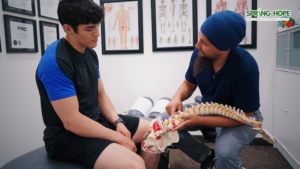






Minor aches and pains frequently present themselves as nothing to worry about in daily life. Whether stemming from sports activities or lifting heavy things, a physical injury can occur anywhere. When the resulting discomfort seems mild, the temptation to rest for a while and carry on with daily life as normal is often strong. However, the harm that has occurred in the body is not always visible from the outside. Ignoring physical warning signs can lead to far more serious and chronic health complications.
According to an orthopaedic and spine surgeon at Mount Elizabeth Hospital, Singapore, certain symptoms require a thorough medical assessment rather than simple rest. Understanding which aches and pains indicate severe internal issues is essential for protecting long-term mobility and avoiding permanent joint or nerve damage.
Knee Joint Pain and Swelling: When to Seek Medical Assessment
Discomfort in the knee joint is a common complaint, but there is a clear distinction between isolated pain and pain accompanied by swelling. While experiencing pain alone without swelling may not be too bad, the presence of joint swelling is a warning sign that should never be taken lightly.
Swelling within the joint typically indicates serious inflammation or internal bleeding related to an injury. Common underlying causes of these symptoms include:
- A ligament injury
- A joint tear
- A meniscus injury
Furthermore, patients must observe whether the knee joint exhibits specific mechanical symptoms. If the pain and swelling are accompanied by a sensation of the knee giving way when walking, or locking (an inability to fully extend or flex the joint), a medical assessment is required. Neglecting persistent swelling and joint instability can result in permanent cartilage damage. Over the long run, this neglect can cause a more serious wear and tear problem in the joint, leading to chronic mobility limitations.
Persistent Low Back Pain and the Risk of Nerve Damage
Lower back pain is another highly important issue that individuals frequently experience. However, the duration of the discomfort is a critical factor in determining its severity. When lower back pain lasts for more than one month, it ceases to be a routine strain and requires professional investigation.
Sustained discomfort in the lower back can be caused by several serious underlying conditions, including:
- A slipped disc
- Nerve compression
- Arthritis
- A tumour
- An infection
When nerve compression occurs, patients often experience secondary symptoms that radiate into the legs. These symptoms include pain, tingling, numbness, or muscle weakness in the legs. Failing to seek timely evaluation at a dedicated spine clinic or consulting an orthopaedic specialist can have lasting consequences. Prolonged neglect of lower back pain can result in poor posture, persistent muscle spasms, chronic back pain, and permanent nerve damage.
Ankle Joint Pain and Swelling: The Danger of Unhealed Sprains
Twisting an ankle is a frequent occurrence that is often dismissed as not being a big deal. However, when an ankle joint becomes painful and swollen, this indicates potential injury to the surrounding structures, including the ligament, tendon, and cartilage around the ankle.
If an ankle sprain does not heal, it is possible for the joint to become persistently unstable, swollen, and painful. A common error is continuing to walk or exercise like normal on an unstable ankle. This ongoing physical stress can cause permanent, irreversible damage to the joint cartilage. What began as a minor twist can evolve into a chronic, painful condition that severely impacts daily movement and athletic performance.
The Importance of Accurate Medical Diagnosis and Intervention
When an orthopaedic injury is suspected, obtaining an accurate medical diagnosis is the most critical step toward recovery. A thorough assessment by a doctor is necessary to identify the exact cause and determine the severity of the problem.
To determine the precise nature and severity of the damage, medical professionals rely on diagnostic tools, such as:
- X-rays
- MRI scans
Delaying a professional assessment can lead to severe consequences. Leaving a minor injury for too long increases the risk of developing chronic pain and suffering irreparable damage to the joint. Over time, what could have been managed with early intervention may require surgical procedures to fix the problem.
Knowing the severity of an injury allows patients to understand what can help to speed up the recovery and, crucially, what must be avoided to prevent worsening the situation. Taking prompt action is the most effective way to safeguard physical health and preserve long-term joint function.
Key Takeaways
- Swelling is a Warning Sign: Pain accompanied by swelling in the knee or ankle joint suggests internal bleeding, serious inflammation, or structural damage such as ligament or meniscus injuries.
- Watch for Mechanical Issues: A sensation of the knee joint giving way when walking, or locking so that the joint cannot fully extend or flex, requires immediate medical investigation to prevent permanent cartilage damage.
- Duration Matters for Back Pain: Any lower back pain that lasts more than one month requires clinical evaluation to rule out issues like slipped discs, arthritis, infections, or tumours.
- Nerve Compression Indicators: Leg pain, tingling, numbness, or muscle weakness are indicators of nerve compression that can lead to permanent nerve damage if ignored.
- Unresolved Sprains Lead to Instability: Continuing to walk or exercise normally with an unhealed ankle sprain can cause permanent damage to the joint cartilage.
- Accurate Diagnostics Prevent Surgery: Seeking an assessment with tools like X-rays or MRI scans early is vital to determine the severity and avoid chronic pain or future surgery.
Conclusion
Minor joint and back aches can easily be ignored, but the internal damage they represent is often hidden. Swelling, instability, and persistent pain are warning systems indicating structural or nerve involvement. By seeking timely medical advice, undergoing proper diagnostic imaging, and obtaining an accurate diagnosis, individuals can prevent permanent cartilage or nerve damage, avoid unnecessary surgeries, and ensure a swift, safe recovery.
Disclaimer: The information provided in this article is for general educational purposes only and does not constitute personalised medical advice. For any persistent joint pain, swelling, or back discomfort, readers should consult a qualified medical professional or orthopaedic specialist to receive a thorough clinical assessment and an accurate diagnosis.