




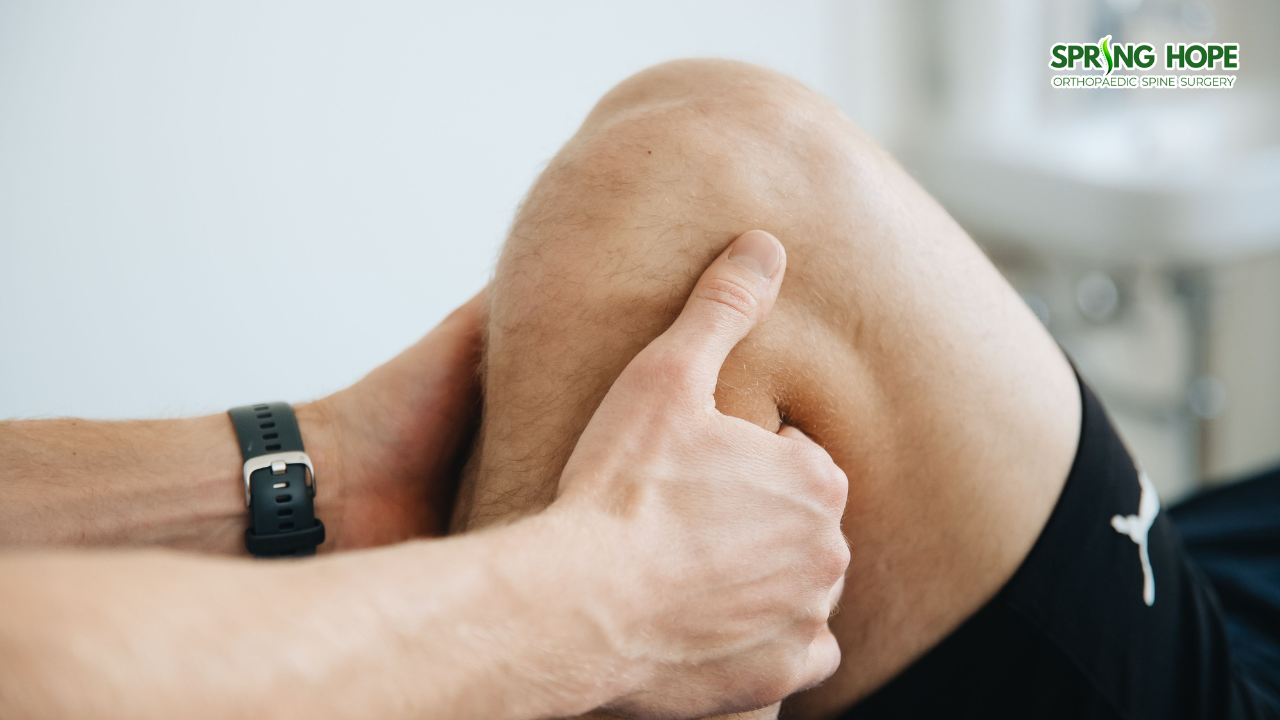
The knee is one of the most active joints in the human body, relying on intricate internal structures to absorb impact and maintain smooth mobility. Among the most frequent knee injuries seen in orthopaedic care is a meniscus tear. Positioned within the knee joint, the meniscus plays an indispensable role in maintaining joint health and stability. Understanding how this tissue functions, why it tears, and the signs that indicate an injury can help individuals seek timely medical evaluation and protect their long-term mobility.
What Is the Meniscus and How Does It Function?
Inside each knee joint, there are two distinct C-shaped pieces of soft tissue known as the meniscus. Positioned between the upper and lower leg bones, these structures function as vital shock absorbers inside the joint. During daily movements, walking, and physical exertion, the meniscus cushions the joint, distributes weight evenly, and prevents excessive stress on the surrounding bone structures.
Common Causes of Meniscus Tears
A meniscus tear is a prevalent joint injury that typically occurs through three primary mechanisms:
1. Sports and Athletic Movements
High-impact athletic activities that involve sudden twisting, pivoting, or rapid changes of direction put substantial stress on the knee. Sports such as soccer and basketball are common scenarios where forceful pivoting can cause the C-shaped tissue to tear.
2. Heavy Lifting and Deep Squatting
Physical movements that involve deep squatting, particularly when carrying heavy loads or objects, place extreme mechanical pressure on the knee joint. Bending the knee deeply under heavy weight can lead to a mechanical tear of the meniscus.
3. Degenerative Wear and Tear
Not all meniscus tears result from sudden sports injuries. Natural wear and tear occurs within the knee joint as time passes. As individuals grow older, the meniscus tissue can gradually deteriorate and weaken, making it increasingly susceptible to tearing during routine daily tasks.
Recognising the Symptoms of a Meniscus Tear
When a meniscus tear occurs, individuals frequently report several characteristic symptoms within the affected knee:
- Pain Inside the Knee: Discomfort or sharp pain localized within the interior space of the knee joint.
- Swelling: Inflammation and fluid accumulation surrounding the knee joint.
- Difficulty Straightening the Knee: An inability to fully extend or straighten the leg due to internal joint restriction.
- Knee Locking or Jamming: A distinct sensation where the knee gets stuck or locked in position, preventing normal movement. In many instances, individuals find they must wiggle or manipulate the knee to release the joint so it can move again.
Diagnostic Procedures and Medical Evaluation
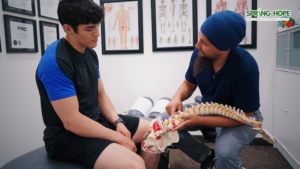
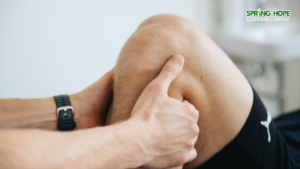
Experiencing knee pain, swelling, or joint locking indicates a need for a formal check-up with a medical professional.
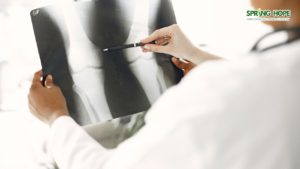
During an evaluation, an MRI scan may be recommended. An MRI scan provides clear imaging to confirm whether a meniscus tear is present or if another underlying condition is causing the knee pain. Obtaining an early and accurate diagnosis ensures that appropriate treatment can begin promptly. For individuals managing broader musculoskeletal conditions or seeking specialist referrals, consulting an orthopaedic practice or a dedicated knee clinic provides access to comprehensive diagnostic care.
Treatment Options and Potential Complications
Surgical Treatment: Arthroscopic Keyhole Surgery
Meniscus tears can be straightforwardly managed through a minor, minimally invasive procedure known as arthroscopic keyhole surgery. Through small incisions, surgeons can access the joint space to either repair the torn tissue or trim away the damaged portions of the meniscus, restoring smoother joint function.
Risks of Leaving a Tear Untreated
Ignoring a meniscus tear or leaving it untreated can result in significant long-term complications, including:
- Accelerated Wear and Tear: Heightened friction and stress across the joint surface.
- Daily Activity Impairment: Ongoing difficulty in performing routine day-to-day tasks and movement.
- Early-Onset Arthritis: Development of early knee arthritis over the long term.
Taking early action and securing timely treatment plays a decisive role in protecting knee health and maintaining mobility for years to come.
Key Takeaways
- Shock Absorption: The meniscus consists of two C-shaped soft tissues in the knee that act as internal shock absorbers.
- Three Key Causes: Tears stem from athletic twisting (such as soccer or basketball), deep squatting with heavy loads, or age-related wear and tear.
- Recognisable Symptoms: Common indicators include internal knee pain, swelling, inability to straighten the leg, and joint locking that requires wiggling to release.
- Accurate Diagnosis: An MRI scan is commonly utilised to confirm a meniscus tear and rule out other causes of knee pain.
- Minimally Invasive Care: Arthroscopic keyhole surgery offers a small, effective procedure to repair or trim the damaged tissue.
- Preventing Complications: Early treatment prevents accelerated joint wear, functional impairment, and long-term knee arthritis.
Conclusion
A meniscus tear is a common yet highly manageable knee condition. Whether caused by an unexpected sports movement, heavy lifting, or gradual aging, recognising the warning signs early is crucial. Through professional evaluation, appropriate diagnostic imaging, and effective keyhole surgical options, individuals can address joint mechanical issues promptly and safeguard their long-term knee function.
Disclaimer: This article is intended solely for general educational purposes and does not constitute medical advice. If you are experiencing persistent knee pain, swelling, or joint locking, please consult a qualified healthcare professional or doctor for an accurate medical diagnosis and tailored treatment plan.