




Foot health is a critical component of overall mobility, yet it is often ignored until discomfort arises. One of the most common foot issues is the development of a bunion, medically referred to as hallux valgus. While many people initially view this condition as a minor aesthetic concern, it can progress into a painful ailment that severely limits daily activities. Understanding the underlying causes, symptoms, and potential treatment pathways is essential for maintaining foot health and preventing long-term joint damage.
This article provides an educational overview of hallux valgus, highlighting how it develops, what symptoms to watch for, and the surgical and non-surgical options available to manage the condition.
What is Hallux Valgus?
Hallux valgus is a structural deformity that affects the big toe. Under normal circumstances, the big toe points straight forward. However, in individuals with this condition, the big toe bends sideways, angling toward the outer edge of the foot.
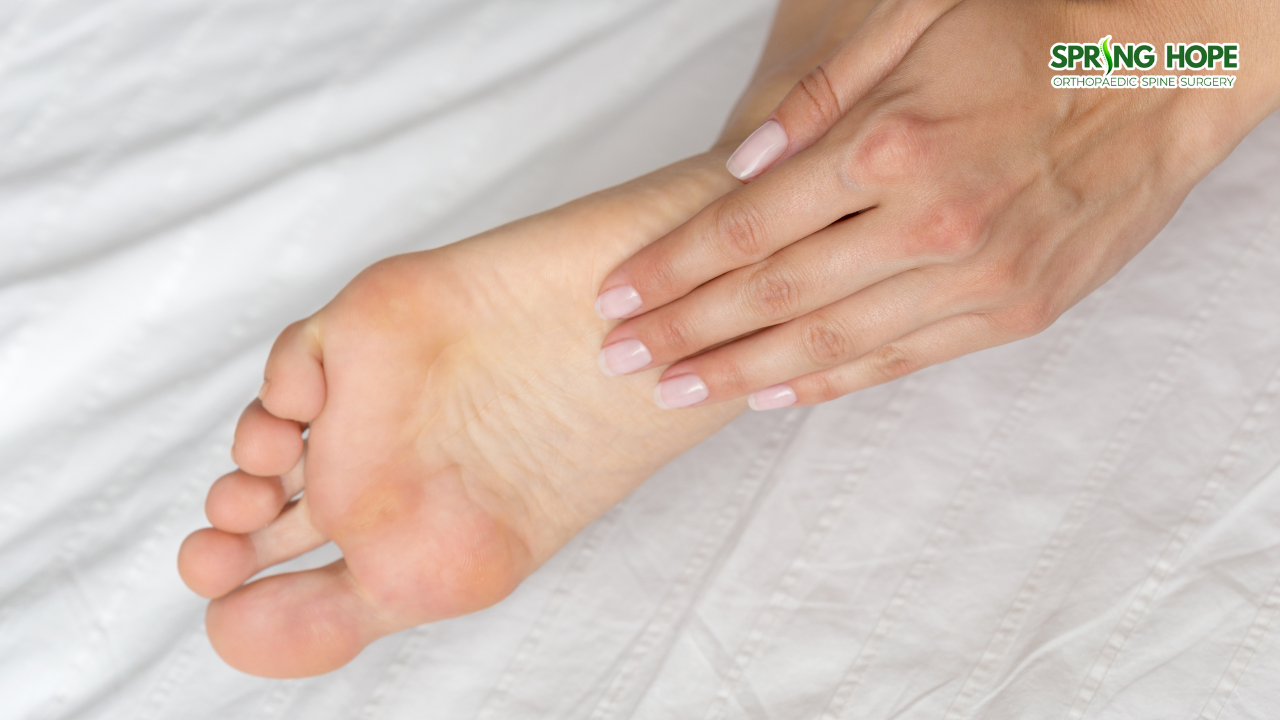
As the big toe shifts inward, it forces the joint at the base of the toe to protrude outwards. This displacement creates a prominent, hard bump on the inner side of the foot, commonly known as a bunion. Initially, this structural change may only be a cosmetic concern, but over time, the shifting of the bones can lead to significant discomfort and joint stiffness.
Common Causes and Risk Factors
The development of hallux valgus is generally attributed to a combination of lifestyle choices and genetic predisposition.
Footwear Choices
The primary culprit in the development of bunions is improper footwear. Shoes that are tight, pointy, or have high heels place immense pressure on the toes, forcing them into unnatural, cramped positions. Because women are far more likely to wear tight, high-heeled, or pointy-toed shoes, bunions are significantly more common in women than in men.
Genetic Predisposition
Genetics also play a notable role in foot structure. Hallux valgus can run in families, meaning that if parents have experienced bunions, there is an increased risk of developing the deformity as well.
Recognising the Symptoms and Complications
For many, a bunion begins as a painless bump that simply makes the foot look wide or misshapen. However, as the deformity progresses, it can trigger a range of painful symptoms and structural complications.
- Pain and Inflammation: The prominent bump at the base of the big toe can become red, swollen, and highly inflamed, leading to persistent aches, joint pain, and stiffness.
- Altered Weight Distribution: As the big toe points further outwards, it alters the natural mechanics of the foot. The foot’s weight-bearing surface shifts, causing areas that usually bear very little weight to support much more pressure.
- Corns and Calluses: This uneven distribution of weight leads to the formation of thick, hardened skin, known as corns and calluses, at the base of the first or second toes. These areas can become extremely sensitive and painful.
- Joint Arthritis: If left unmanaged, the constant misalignment can wear down the protective joint cartilage, resulting in advanced osteoarthritis and permanent joint stiffness.
How is Hallux Valgus Diagnosed?
A medical professional can typically diagnose hallux valgus through a simple visual examination of the foot. The physical alignment of the big toe and the presence of the characteristic bump are clear indicators of the condition.
To obtain an objective assessment, clinicians perform an X-ray. An X-ray allows the orthopaedic specialist to inspect the bone structure clearly and measure the precise angle of the deformity, which is crucial for planning the appropriate treatment.
Non-Surgical Management and Self-Care
When a bunion is diagnosed, the initial focus is almost always on conservative, non-surgical treatments to manage pain and prevent the deformity from worsening.
- Modifying Footwear: The first and most impactful step is to review and change footwear. Transitioning from tight, pointy shoes to roomy, supportive, and comfortable shoes can significantly improve the situation, particularly in mild cases.
- Applying Topical Treatments: If the joint becomes painful and inflamed, applying an anti-inflammatory cream to the affected area twice a day can help reduce local swelling and alleviate discomfort.
- Using Toe Braces: For more severe or progressive deformities, a specialised toe brace may be recommended to help keep the big toe straight.
When to Consider Surgical Treatment
If conservative measures fail to provide adequate pain relief or fail to improve the structural deformity, surgical intervention may be considered. Orthopaedic surgery is tailored to the patient’s specific joint health and structural severity.
The primary aims of standard bunion surgery include:
- Removing the bump at the base of the big toe.
- Straightening the big toe.
- Balancing the muscles and tendons surrounding the big toe to ensure stable, healthy joint movement.
In cases where advanced osteoarthritis is present and the joint cartilage has worn away completely, a different surgical approach may be necessary. The surgeon may need to join the bones of the big toe together. While this procedure results in a stiff joint, it provides a highly effective way to reduce severe, chronic pain.
For individuals seeking comprehensive medical guidance on joint and skeletal health, consulting an orthopaedic specialist is key. Furthermore, those who experience related musculoskeletal conditions may benefit from visiting a dedicated spine clinic to address broader spinal and structural health concerns.
Key Takeaways
- Hallux valgus is a foot deformity where the big toe points outwards, creating a characteristic bump at its base.
- Wearing tight, pointy, or high-heeled shoes is the primary cause, making the condition more prevalent in women.
- Genetics also contribute, as a family history of bunions increases individual risk.
- Complications include joint inflammation, painful corns and calluses due to altered weight distribution, and potential osteoarthritis.
- Diagnostic methods involve visual inspection and X-rays to measure the exact bone angles.
- Treatment begins with non-surgical solutions, including changing footwear, applying twice-daily anti-inflammatory creams, and wearing braces.
- Surgery is reserved for cases where pain persists despite conservative measures, with the goals of removing the bump, straightening the toe, and balancing muscles.
Conclusion
Hallux valgus is a common yet highly manageable foot deformity. By understanding the early symptoms and addressing footwear choices early on, individuals can often prevent the condition from progressing to a severe, painful stage. If conservative treatments like roomy shoes, anti-inflammatory creams, or braces do not provide relief, consulting a medical professional to discuss surgical options is the best course of action to restore mobility and comfort.
Disclaimer: This article is for general educational and informational purposes only. It does not constitute medical advice, diagnosis, or treatment. Always consult a qualified healthcare professional or orthopaedic specialist regarding any medical conditions or treatment plans.