




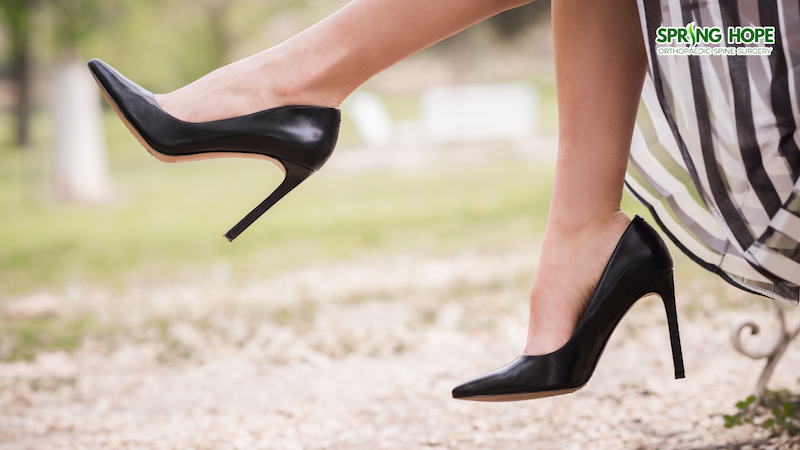
High heels are a staple fashion choice for many women. However, clinical research highlights that high heels force the human body into unnatural postural changes. Over time, these structural adjustments can have significant, long-term implications for overall health. According to an Orthopaedic and spine surgeon practicing at Mount Elizabeth Hospital Singapore, understanding how high heels alter different parts of the musculoskeletal system is crucial to managing and preventing chronic discomfort.
Instability and the Risk of Foot and Ankle Injuries
Wearing high heels naturally creates a less stable foundation compared to wearing flat shoes or walking barefoot. Because of this inherent instability, wearers experience a heightened risk of suffering twisting injuries in both the knees and the ankles.
To compensate for the lack of stable support, the calf muscles must contract and work significantly harder than usual just to maintain balance and upright stability. When these lower leg muscles are subjected to prolonged strain over extended periods, it frequently leads to severe muscle fatigue, overall tiredness, and persistent aching or pain within the foot.
Forward Shift: The Mechanism Behind Bunions and Blisters
The elevated position of the heel elevates the rear portion of the foot, which naturally forces the wearer’s total body mass forward. This shift concentrates a significant portion of physical pressure onto the delicate base of the toes rather than distributing it evenly across the entire foot. As a direct result of this shifted pressure and the friction against the footwear, individuals are highly prone to developing calluses, painful blisters, or structural bunions on their feet.
Additionally, because the calf is contracting most of the time when high heels are worn, the repetitive stress can trigger inflammation in the Achilles tendon. Professionally referred to as Achilles tendinosis, this inflammatory condition highlights how chronic contraction of the lower leg muscles directly impacts the main tendon connecting the heel.
Increased Pressure on the Knee Joints
The physiological consequences of elevated footwear extend upward to the knee joints. Walking in high heels alters how weight is distributed, putting an excessive amount of pressure directly on the front part of the knee. This increased mechanical load on the front part of the joint can result in significant pain and joint strain surrounding the kneecap.
How High Heels Affect Posture and the Spine
Perhaps some of the most profound effects of wearing high heels occur in the upper skeletal structure, particularly the pelvis and the back. To maintain an upright posture while wearing heels, the body is forced to sway in an unnatural manner. This abnormal sway causes the pelvis to tilt forward, altering the natural alignment of the lower body.
Consequently, the muscles in the lower back are forced to work much harder to maintain lumbar lordosis, which is the natural curve in the lumbar spine. Because the back muscles must constantly overwork to stabilise the spine against this unnatural tilt, this prolonged strain often develops into chronic back pain. For individuals struggling with persistent spinal discomfort, seeking advice from an expert at a spine clinic can help identify the root causes of posture-related issues.
Practical Solutions and Postural Care
For individuals experiencing persistent body aches, the most effective and direct solution is simply to stop wearing high heels entirely, allowing the body to return to its natural alignment. However, as noted by an Orthopaedic and spine surgeon, complete avoidance of high-heeled footwear may not be a desirable or acceptable choice for many women.
If completely giving up high heels is not feasible, several practical strategies can help mitigate the physiological impact and relieve discomfort:
- Reduce the frequency of use: Wearers can lower the frequency of wearing heels, especially if they are already suffering from leg aches, foot pain, or spinal discomfort.
- Frequent calf stretching: If wearing heels is unavoidable, engaging in regular and frequent stretching of the calf muscles is highly recommended to counteract the chronic contraction and prevent muscle fatigue.
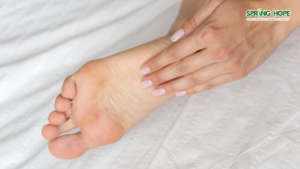
- Foot massage: Massaging the bottom of the feet can also provide much-needed relief from the aches, tension, and localized pain caused by shifted body weight.
When to Consult an Orthopaedic Specialist
While conservative care like stretching and massage can alleviate mild soreness, certain symptoms require professional medical attention. If a wearer experiences severe and persistent pain in the foot, leg, or spine, or if they notice structural deformities like a bunion developing, they should seek a formal consultation with a doctor. An accurate professional diagnosis and a customized treatment plan are essential to ensuring a safe and complete recovery.
Key Takeaways
- High heels reduce physical stability, which significantly increases the risk of twisting injuries in both the knees and ankles.
- Constant calf contraction from wearing heels can cause muscle fatigue, foot aching, and inflammatory conditions like Achilles tendinosis.
- Body mass shifts forward onto the toes, which can result in bunions, blisters, and calluses.
- The pelvis tilts forward and the back muscles must work harder to maintain the curve of the lumbar spine, frequently leading to chronic back pain.
- Reducing how often heels are worn, stretching the calf muscles, and massaging the soles of the feet are practical ways to manage minor discomfort.
- Severe or persistent pain, as well as visible physical deformities like bunions, should always be evaluated by a healthcare professional.
Disclaimer: The information provided in this article is for educational and general informational purposes only and does not constitute medical advice. Please consult a qualified healthcare professional or an Orthopaedic specialist for accurate diagnosis and personalized treatment options regarding any persistent pain or physical deformities.