





Waking up in the morning should be a refreshing start to the day. However, for many individuals, the very first step out of bed is met with a sharp, stabbing sensation in the heel. This physical discomfort can make simple movement feel like a significant challenge. If this experience sounds familiar, the culprit may be a common foot condition known as plantar fasciitis.
Understanding this condition is the first step toward recovery. To help make sense of this common cause of heel pain, this guide explores the structure of the foot, the underlying causes of the discomfort, and the practical steps individuals can take at home to find relief. These insights are grounded in the professional expertise of an orthopaedic and spine surgeon practicing at Mount Elizabeth Hospital Singapore. For those seeking specialised medical care for complex musculoskeletal or structural concerns, visiting a dedicated spine clinic can be an essential part of a broader health and recovery strategy.
What is the Plantar Fascia?
To understand why heel pain occurs, it is helpful to look at the anatomy of the sole. The plantar fascia is a strong, band-like structure, similar to a ligament, located at the bottom of the foot. It plays a critical role in supporting daily movement.
One of the primary functions of the plantar fascia is to keep the foot up, maintaining its natural shape and stability. When viewed from a side profile, its function can be compared to the string of a bow. In this anatomical comparison, the plantar fascia acts as the tight string, while the structure of the foot itself acts as the bow. Just like the string in a bow, the plantar fascia is under tension to support the arch of the foot and absorb movement impacts.
Why Does Plantar Fasciitis Occur?
Plantar fasciitis typically develops when an individual participates in activities that stretch the plantar fascia beyond its natural physical limits. When this supportive band is subjected to excessive forces that exceed what it can safely tolerate, it can lead to physical damage.
Specifically, this overstretching can result in a physical tear at the origin of the plantar fascia, which is located at the heel. Alongside this micro-tearing, the tissue becomes irritated and inflamed. This combination of structural tearing and subsequent inflammation is what leads to the persistent, sharp discomfort felt in the heel.
Key Risk Factors for Developing the Condition
While anyone can experience heel pain, certain physical characteristics, activities, and lifestyle factors can make an individual more prone to developing plantar fasciitis. Clinical observations identify several key risk factors:
- Age: Plantar fasciitis does not affect all age groups equally. It most frequently occurs in individuals who are between forty and sixty years of age.
- Specific Types of Exercise: Physical activity is beneficial, but certain exercises place a tremendous amount of strain and repetitive stress on the plantar fascia. Activities that involve high impact or continuous stretching of the sole can trigger the condition, such as long-distance running, ballet, and dancing.
- Foot Structure Abnormalities: The natural shape of an individual’s foot affects how weight and force are distributed during movement. Individuals who have flat feet or a high arch are at a much higher risk of developing plantar fasciitis.
- Obesity: Body weight has a direct physical relationship with foot strain. The heavier an individual’s weight, the higher the pressure exerted on the lower limbs and this supportive band, increasing the likelihood of tissue irritation.
- Prolonged Standing or Walking: Occupations and daily routines that require standing or walking for extended periods can predispose a person to plantar fasciitis. Jobs that demand constant upright hours place continuous stress on the sole of the foot, such as teaching or factory work.
Recognising the Symptoms of Plantar Fasciitis
Recognising the specific characteristics of plantar fasciitis pain is essential for identifying the condition. The symptoms follow a highly typical pattern that sets them apart from other types of foot discomfort:
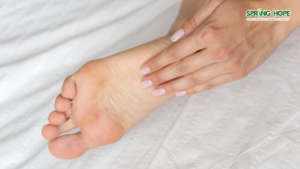
- A Stabbing Sensation: The pain is typically experienced as a stabbing pain located directly at the bottom of the heel.
- Morning Discomfort: The pain is characteristically worse after prolonged periods of inactivity, such as sleeping. This is most noticeable in the morning when waking up, where the very first step taken out of bed is usually the most painful.
- Pain After Rest: Prolonged sitting can also trigger the symptoms. After sitting down for too long, the first step taken upon standing is often highly painful.
- Improvement with Movement: Interestingly, as the individual continues to walk and move around, the sharp pain can gradually ease off and become more manageable.
How Professionals Diagnose Heel Pain
When seeking medical advice, clinicians use a combination of history and imaging to confirm a diagnosis of plantar fasciitis. The diagnostic process generally includes:
- Symptom Review and Physical Examination: A professional diagnosis is based on the patient’s specific symptoms and a detailed physical examination of the foot.
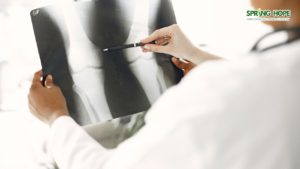
- Plain X-Rays: An X-ray is conducted to look at the bone structure. In patients with plantar fasciitis, a plain X-ray frequently reveals a bone spur arising directly from the heel.
- MRI Scans: If more detailed imaging is required, an MRI scan can be performed. This scan is highly useful because it can reveal the exact severity of the inflammation and identify whether there is a physical tear in the plantar fascia tissue.
Practical Self-Care Steps to Improve Symptoms
Fortunately, individuals suffering from plantar fasciitis can take several practical, non-invasive steps on their own to help reduce inflammation and improve comfort:
- Evaluate Your Footwear: The hard soles of some shoes can worsen heel pain. If the shoes are hard, individuals should consider using a heel cup or a cushion to reduce impact, or transition to comfortable sports shoes.
- Perform Targeted Stretching: Engaging in regular stretching exercises specifically designed for the plantar fascia is an effective way to relieve tension in the foot.
- Apply Anti-Inflammatory Cream: Anti-inflammatory creams can be applied directly to the painful area of the heel twice a day to help target and reduce the local inflammation.
- Utilise Foot Rolling Techniques: A simple and accessible home remedy involves rolling the sole of the foot. Individuals can roll their foot over a tennis ball or a bottle filled with warm water to help massage the tissue and soothe discomfort.
Key Takeaways
- Anatomical Support: The plantar fascia acts like a bowstring to support the arch of the foot, but excessive stretching can cause microscopic tears and inflammation at the heel.
- Prominent Triggers: Key risk factors include being between forty and sixty years old, having flat feet or high arches, carrying excess body weight, and working in occupations that require prolonged standing, such as teaching or factory work.
- Distinct Pain Patterns: The typical symptom is a stabbing heel pain that is sharpest during the first steps in the morning or after sitting, which gradually eases with light walking.
- Effective Diagnostic Tools: While physical examinations and symptom reviews are standard, X-rays can show heel spurs, and MRIs can evaluate the severity of tissue inflammation or tearing.
- Simple Home Recovery: Relieving the pain can be achieved through foot stretches, switching to sports shoes or using heel cups, applying anti-inflammatory cream twice daily, and rolling the foot over a tennis ball or a warm water bottle.
Conclusion
Plantar fasciitis is a common yet highly manageable cause of heel pain. By understanding how the plantar fascia functions as a critical support mechanism for the foot, individuals can better appreciate the importance of protecting it from excessive strain. Recognising the classic signs, such as sharp morning heel pain, allows for early intervention. By implementing straightforward self-care strategies, including targeted stretching, shoe adjustments, and simple foot-rolling techniques, those experiencing discomfort can actively support their body’s healing process and work toward pain-free movement.
Disclaimer: This article is for general educational and informational purposes only and does not constitute personalised medical advice. For any persistent heel pain or medical concerns, please consult a qualified healthcare professional or an orthopaedic specialist to receive an accurate diagnosis and an appropriate treatment plan.