




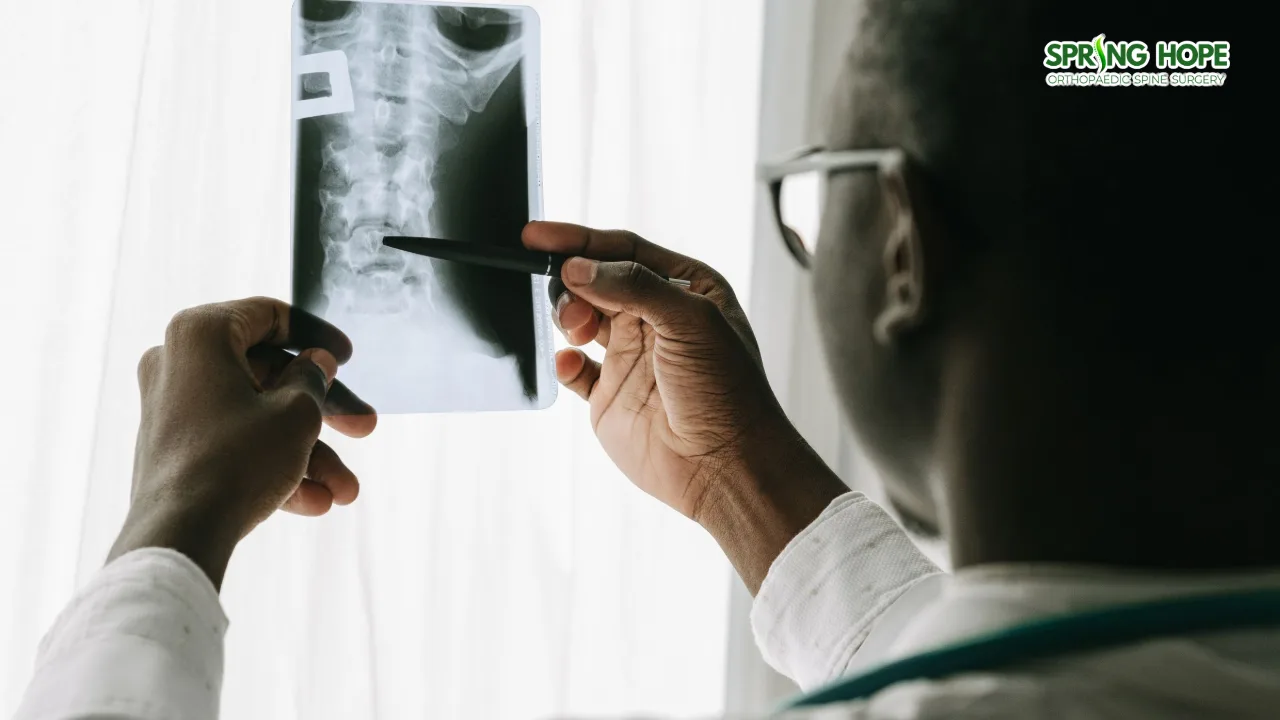
Living with constant back discomfort or leg pain caused by spinal stenosis can significantly disrupt daily routines, physical activities, and overall quality of life. When conservative management fails to offer lasting relief, many individuals begin exploring surgical options to restore their mobility and comfort. Understanding how spinal stenosis surgery works, when it becomes necessary, and what the process involves is essential for anyone considering surgical intervention.
For the majority of individuals diagnosed with this condition, an operation is not the immediate or primary course of action. Non-surgical care is almost always the first line of management. However, when conservative measures no longer provide adequate support, surgery offers a pathway to relieve nerve pressure and restore physical function.
When Is Spinal Stenosis Surgery Needed?
In the overall approach to spinal stenosis treatment, surgery is generally considered a last option rather than a first step. Non-surgical therapies are typically explored for a period of three to six months before surgical intervention is evaluated.
Surgery is usually recommended under specific circumstances:
- Non-surgical treatments pursued over three to six months have failed to improve the condition.
- Pain and nerve symptoms remain severe, significantly impairing daily activities, walking, or overall quality of life.
The primary goal of surgery is decompression. Over time, narrowing within the spinal canal compresses the surrounding nerves, leading to persistent pain, numbness, or weakness. Surgical procedures aim to release this pressure by creating additional space within the spinal canal, thereby relieving nerve irritation.
Exploring Surgical Options for Lumbar Spinal Stenosis
When non-surgical measures prove insufficient, an orthopaedic and spine surgeon will assess the structural state of the spine to determine the most suitable approach. In general, surgical procedures for lumbar spinal stenosis fall into two primary categories: decompression surgery alone, or decompression combined with spinal fusion.
Decompression Surgery for Spinal Stenosis
Decompression surgery is the standard and most direct surgical approach for addressing nerve compression. During this procedure, the surgeon removes a portion of the bony arch over the spinal canal, known as the lamina, along with any thickened ligaments or tissue pressing against the spinal nerves.
Because the procedure focuses on removing the structures that press on the nerves without altering the spine’s natural mechanics, it typically allows for a faster recovery compared to more extensive operations.
When Is Spinal Fusion Required Alongside Decompression?
While decompression alone is suitable for many patients, certain structural conditions require an additional step known as spinal fusion. Spinal fusion involves joining two or more vertebrae together to eliminate movement between them.
A spine surgeon will evaluate whether spinal fusion is necessary based on specific criteria:
- Pre-existing spinal instability: If the spine is unstable prior to the operation, fusion is required to secure the vertebral alignment, as structural instability can irritate nerves.
- Surgical instability risk: Removing a significant section of the lamina during decompression can sometimes compromise the spine’s structural integrity, potentially creating or worsening instability. In these cases, fusion is performed during the same surgical session to maintain stability.
During a fusion procedure, surgeons may use instruments such as screws or interspinous spacers to stabilise the affected spinal segment. However, spinal fusion should not be routinely performed if there is no evidence of pre-existing or surgically induced spinal instability. For a stable spine, decompression alone remains the preferred, less invasive choice.
What to Expect After Surgery
Many patients experience meaningful improvement in their leg pain and nerve symptoms after spinal stenosis surgery, which can help them return to a more active routine.
Realistic expectations are still important. In a small number of cases, symptoms may remain unchanged after surgery, or in rarer instances, become worse. Discussing personal health factors and expectations with a qualified specialist helps clarify the likely outcome for each individual.
Potential Surgical Risks and Safety Considerations
As with any major medical procedure, spinal stenosis surgery carries risks that patients should understand before making a decision. Potential surgical risks include:
- Bleeding during or after the procedure.
- Post-operative wound infection.
- Nerve injury.
- General risks associated with anaesthesia.
The likelihood of major complications is low when the operation is performed by an experienced orthopaedic and spine surgeon. Thorough pre-operative evaluation and careful post-operative care further help manage these risks.
Making an Informed Treatment Decision
Deciding whether to proceed with surgery is a shared process between the patient and their specialist. If non-surgical options have been exhausted and daily life remains severely restricted by pain, a consultation helps clarify whether decompression surgery alone or combined with spinal fusion is appropriate.
Key Takeaways
- Last resort option: Surgery is typically considered only after three to six months of non-surgical treatment have failed to relieve severe pain or functional limitation.
- Core surgical goal: Decompression creates space in the spinal canal to relieve pressure on compressed nerves.
- Selective use of spinal fusion: Fusion is only needed when spinal instability exists or when decompression risks destabilising the spine.
- Know the risks: Bleeding, infection, nerve injury and anaesthesia-related risks exist, although major complications are uncommon with an experienced surgeon.
Conclusion
Spinal stenosis can pose real challenges to daily life, but there are treatment pathways that help individuals regain comfort and independence. Non-surgical management remains the foundation of care, while decompression surgery and, where needed, spinal fusion are options for persistent, severe nerve pain. Working closely with a qualified orthopaedic and spine surgeon allows patients to weigh their options and choose a plan suited to their condition.
Medical Disclaimer
This article is intended for general educational purposes only and should not be construed as personal medical advice, diagnosis, or treatment. Individuals experiencing back or leg symptoms should consult a qualified healthcare professional or an orthopaedic and spine specialist to receive an accurate medical assessment and a personalised treatment plan.