




Persistent back and leg pain can significantly disrupt daily life, particularly when caused by underlying spinal issues such as a slipped disc or spinal stenosis. When conservative options like oral medication or physical therapy do not offer sufficient relief, individuals often seek secondary non-surgical treatments. A targeted spinal injection is one such medical procedure, serving both as a diagnostic tool and a therapeutic option to alleviate pain from nerve compression.
Understanding how a back pain injection works, when it is recommended, and who should avoid it helps patients make informed decisions alongside their spine specialist.
What is a Spinal Injection?
A spinal injection is a targeted medical procedure performed in either the neck or the back. Unlike routine injections administered in a standard clinic setting, a spinal injection requires precision.
To ensure exact needle placement near the affected area, doctors use X-ray guidance. Because of the specialised equipment required, the procedure must be conducted in dedicated medical environments, such as an operating theatre or an interventional radiology suite.
Dual Purpose: Diagnostic and Therapeutic Relief
Spinal injections are versatile procedures that fulfil two primary roles in managing spinal pain: diagnosis and therapy.
Diagnostic Benefits
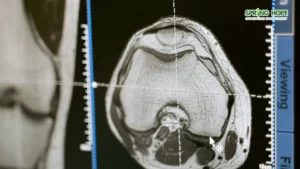
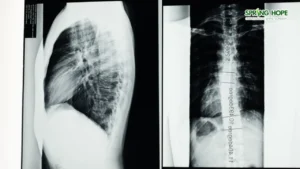
In certain clinical situations, a patient’s reported symptoms do not neatly align with imaging results. For instance, a person may experience severe leg pain, but an MRI scan shows only mild nerve compression. In other cases, leg symptoms might appear on the left side while the MRI indicates greater compression on the right side.
In these scenarios, a diagnostic spinal injection helps confirm whether the nerve compression observed on the MRI is indeed the true source of the discomfort before considering invasive surgical options.
Therapeutic Benefits
When used therapeutically, an epidural steroid injection delivers medication directly to the proximity of the compressed spinal nerve. The injected steroid possesses strong anti-inflammatory properties that suppress pain signals originating from inflamed nerves. By reducing local inflammation, the treatment helps improve functional movement in both the lower back and the legs.
When are Spinal Injections Recommended?
Orthopaedic specialists generally consider a spinal stenosis injection or slipped disc injection under specific medical circumstances:
- Mild to Moderate Compression: The nerve compression visible on an MRI scan is not severe enough to immediately warrant surgery.
- Insufficient Relief from Initial Care: Non-surgical management, including physical therapy and oral pain medications, has been attempted without providing adequate pain relief.
- Inability to Participate in Physical Therapy: Pain levels are too severe for the patient to comfortably engage in or progress through physical therapy exercises.
- Reducing Medication Reliance: The procedure aims to limit or eliminate the need for ongoing oral pain medications.
- Potentially Avoiding Surgery: In select cases, achieving pain control through injections can remove the need for surgical intervention altogether.
While spinal injections primarily address nerve compression caused by a slipped disc or spinal stenosis, they are occasionally considered for back pain caused by a disc tear (annular tear) without direct nerve compression. However, this application is rare because disc tear pain typically improves naturally over time. Injections for disc tears are only evaluated if discomfort persists for a prolonged period.
Contraindications: Who Should Avoid Spinal Injections?
Spinal injections are performed by trained specialists under X-ray guidance, but they are not suitable for everyone.
Absolute Contraindications
A spinal injection must not be administered under the following conditions:
- An active infection anywhere in the body, particularly at the intended injection site.
- Pre-existing bleeding disorders.
- The presence of spinal tumours.
- Known allergies to steroid medications, local anaesthetics, or the contrast dye used during X-ray guidance.
Conditions Requiring Caution
Medical professionals will exercise heightened caution or may advise against the procedure if a patient has:
- Uncontrolled diabetes.
- Underlying heart conditions, such as congestive heart failure.
- Pregnancy (due to radiation exposure from X-ray imaging).
- Osteoporosis.
Expected Outcomes and Duration of Pain Relief
While a spinal injection can help relieve back and leg pain caused by nerve compression, the results are generally temporary.
What Results to Expect
- Variable Duration: The length of pain relief varies from person to person. Discomfort may remain absent for several months or return after a few days.
- Defining Success: Achieving pain relief that lasts longer than six months is considered a good therapeutic outcome.
- Facilitating Rehabilitation: Once pain levels decrease, patients can safely resume and progress with physical therapy and rehabilitation programs.
- Repeat Procedures: If a patient experiences significant relief lasting more than six months before pain recurs, a repeat spinal injection may be recommended by their specialist.
Key Takeaways
- Targeted Care: A spinal injection is performed in an operating theatre or interventional radiology suite using X-ray guidance.
- Twofold Purpose: It acts as a diagnostic tool to pinpoint pain sources and as a therapeutic treatment to calm nerve inflammation.
- Non-Surgical Option: Recommended when conservative treatments fail to manage pain from a slipped disc or spinal stenosis, potentially delaying or preventing surgery.
- Safety First: Not suitable for individuals with active infections, bleeding disorders, spinal tumours, or specific drug allergies.
- Temporary Relief: Provides variable pain relief that can last over six months, allowing patients to progress with physical therapy.
Conclusion
Spinal injections serve as a valuable non-surgical tool for managing back and leg pain caused by nerve compression. By delivering anti-inflammatory medication directly to the affected spinal area under precise X-ray guidance, these injections can clarify diagnoses, reduce reliance on oral pain medications, and restore mobility. For patients struggling to participate in physical therapy, a targeted injection can provide the temporary relief needed to rebuild strength and support long-term recovery.
Medical Disclaimer
The information provided in this article is intended for general educational purposes only and should not be used as a substitute for professional medical advice, diagnosis, or treatment. Always consult a qualified healthcare professional or orthopaedic specialist regarding any medical condition or treatment plan.