




High-profile incidents in professional sports have drawn attention to sudden medical emergencies on the field. When footballer Christian Eriksen collapsed unexpectedly in the middle of a match, prompt medical help and immediate CPR saved his life. Incidents like this raise important questions about exercise safety and what happens when the heart suddenly fails.
Regular physical activity offers many health benefits, yet unexpected cardiac events can affect anyone. Sudden cardiac arrest during exercise is a life-threatening event that calls for awareness, early recognition of symptoms, and a fast emergency response. Knowing how it happens, which warning signs to look out for, and what basic emergency steps to take matters for athletes, fitness enthusiasts, and bystanders alike.
Understanding Sudden Cardiac Arrest During Exercise
The heart’s main job is to pump oxygen-rich blood around the body so that vital organs can work properly. During a sudden cardiac arrest, the heart unexpectedly stops pumping, or it beats so quickly and irregularly that blood stops circulating effectively.
When blood flow stops, oxygen levels in the body drop rapidly. The brain is affected first, leading to a quick loss of consciousness and collapse.
A common misconception is that heart problems during exercise only affect people with known illnesses or poor fitness. In reality, cardiac arrest can happen during intense activity, at rest, or in people who never exercise at all. It can also affect fit athletes who train daily and show no prior signs of illness.
Warning Signs During Exercise That Should Not Be Ignored
In many cases, sudden cardiac arrest happens without any warning. Before he collapsed, Eriksen was playing well and showed no sign that anything was wrong. Most cases in active people happen abruptly.
Some people, however, may notice subtle signs beforehand. Recognising these warning signs during exercise helps with early action:
- Fainting or sudden light-headedness: Any unexpected blackout or loss of consciousness during exertion.
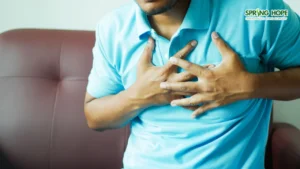
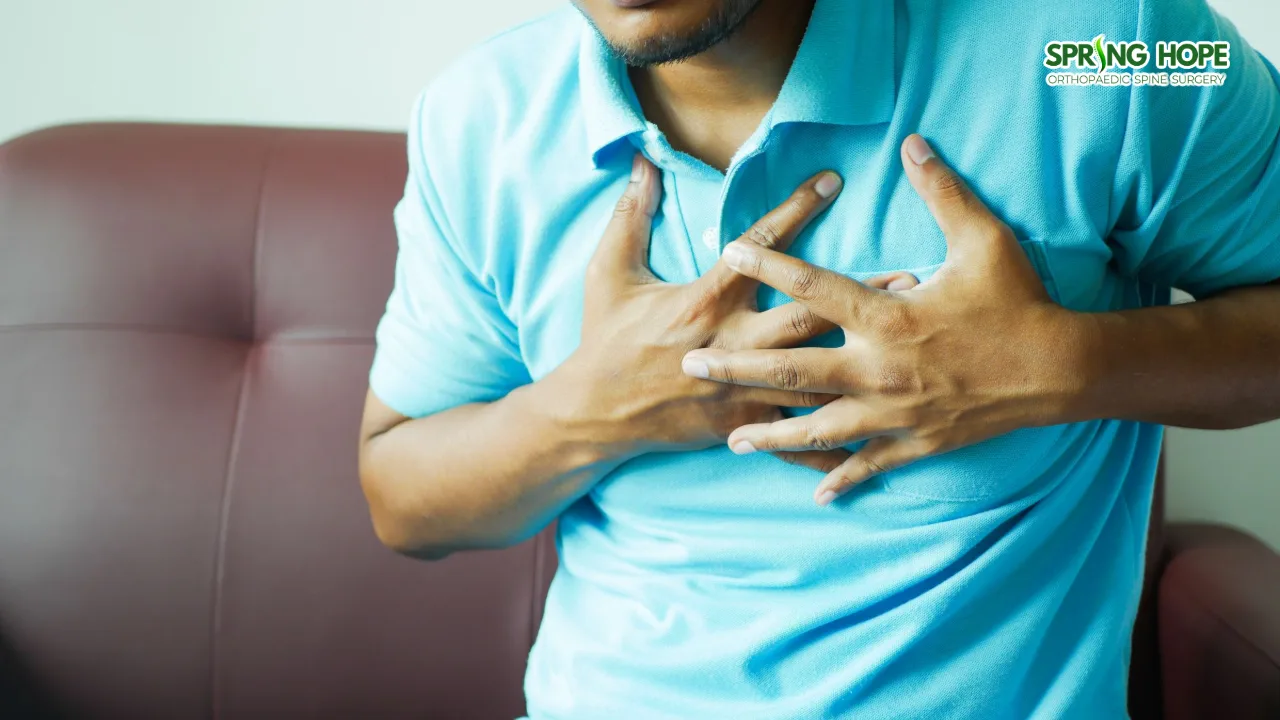
- Chest pain: Pressure, tightness, or pain in the chest during activity.
- Shortness of breath: Breathlessness that feels out of proportion to the effort.
- Heart palpitations: A heartbeat that feels unusually fast, fluttering, or irregular.
If any of these symptoms appear during exercise, the activity should be stopped straight away and the person should get help to see a doctor or go to the nearest hospital.
Medical Check-ups and Their Limits
Many athletes assume that a routine medical check-up fully protects them from cardiac events. However, there is currently no screening method that can reliably detect cardiac arrest, or the risk of it, before it happens.
Even the comprehensive check-ups given to world-class professional athletes cannot pick up this risk with certainty. A clear medical result therefore does not mean there is zero chance of a cardiac arrest.
The overall chance of cardiac arrest in athletes is very small, at about 0.76 per 100,000 athlete years. Because screening cannot guarantee detection, paying attention to symptoms and being prepared for emergencies remain key parts of exercise safety.
Survival Rates and the Role of CPR
Survival after a cardiac arrest depends heavily on how quickly CPR starts and where the event happens. Overall survival remains low, even when CPR is performed:
- Outside hospital: The chance of survival is below 10 percent. Eriksen’s survival fell within this small group.
- Inside hospital: Survival is higher but still below 20 percent.
CPR keeps blood moving around the body to maintain oxygen supply. Starting CPR immediately after a cardiac arrest increases the chance of survival by two to three times. Learning CPR is encouraged for everyone, including people without a medical background, as it can help save the life of a stranger or a family member.
What Bystanders Should Do
When someone collapses unexpectedly, the people nearby play a vital role. If a person collapses, bystanders should:
- Call emergency services: In Singapore, call 995 immediately.
- Check ABC (Airway, Breathing, Circulation): Make sure the airway is clear, check for normal breathing, and look for signs of circulation.
- Start CPR: If the person is unresponsive and not breathing normally, begin CPR right away and continue until help arrives.
Key Takeaways
- Sudden cardiac arrest happens when the heart stops pumping or beats irregularly, causing oxygen levels to fall and the person to collapse.
- It can occur during exercise, at rest, or in people who do not exercise, and can affect fit athletes.
- Medical check-ups cannot detect cardiac arrest risk with certainty.
- Fainting, chest pain, shortness of breath, and palpitations are signs to stop exercising and seek medical care.
- Immediate CPR can increase survival by two to three times.
- If someone collapses, call 995, check ABC, and begin CPR if needed.
Conclusion
Sudden cardiac arrest is rare, but it can strike anyone, including very fit athletes. Because routine check-ups cannot reliably detect the risk, paying attention to warning signs and stopping exercise when they appear is essential. Wider CPR training and quick action by bystanders remain the best ways to improve survival. For more guidance on staying active safely, see these exercise resources, shared by Spring Hope as part of its general health education.
Medical Disclaimer
This article is provided for general educational and informational purposes only and does not constitute medical advice. Readers experiencing unusual symptoms during physical activity should seek prompt evaluation from a qualified doctor or hospital. In an emergency involving a collapse, call emergency services immediately.