




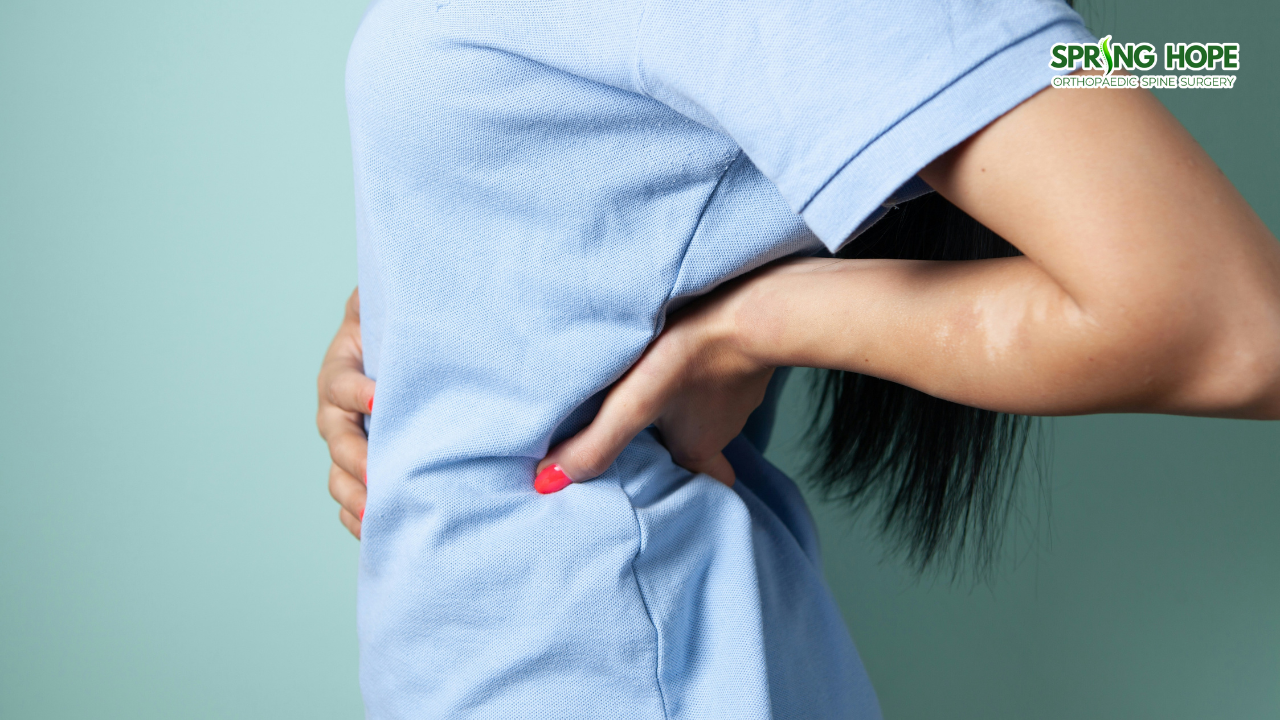
Low back pain is a widespread issue that affects many people across society. While many individuals experience acute, simple back pain, there are cases where this initial discomfort transitions into chronic pain, which is notoriously challenging to treat. According to an Orthopaedic and spine surgeon at Mount Elizabeth Hospital Singapore, a common underlying cause of this chronic lower back discomfort is degenerative disc disease or variations within the spinal discs.
To help individuals understand their risk and take preventive measures, the surgeon highlights six primary factors that make people prone to disc degeneration and chronic back pain. While some of these factors are determined by biology, many are directly related to daily habits and lifestyle choices.
The Role of Genetics in Spinal Health
Genetic inheritance is a major factor in determining susceptibility to spinal issues. If an individual’s parents have a history of chronic back pain or other bone and joint conditions, that individual faces an elevated risk of developing similar problems compared to the general population. Out of all the risk factors associated with degenerative disc disease, genetics is the only factor that cannot be altered or controlled.
How Daily Strain and Habits Wear Down Spinal Discs
Physical activities and daily routines can put immense mechanical stress on the spine, accelerating the wear and tear of the discs.
Excessive Spinal Strain and Heavy Lifting
Physical strain often occurs during sports or when lifting heavy objects, particularly when these actions are performed repetitively. Even when proper lifting techniques are strictly followed, the act of lifting an extremely heavy object can still cause injuries to both the lower back muscles and the spinal discs. Furthermore, if lifting is performed incorrectly, it can cause severe, direct injuries to the discs.
Prolonged Sitting and Posture Issues
Habitual, long-duration sitting combined with poor posture exerts continuous, high pressure on the spinal discs. When individuals maintain these poor sitting habits over prolonged periods, the constant pressure accelerates the rate at which the discs wear out.
The Importance of Core Muscle Strength and Weight Management
Two critical areas where individuals can actively protect their spinal health are muscle conditioning and body weight control.
Protecting the Spine with a Strong Core Muscle “Box”
The core muscles serve as a natural protective shield for the spine. These muscles include the abdominal muscles, the back muscles, the buttock muscles, and the diaphragm. Together, they form a functional “box” that encloses and stabilises the spine. When this core muscle box is strong, the spine remains well protected. Maintaining a strong core directly reduces the overall rate of wear and tear on the spinal discs and the wider spinal structure.
Managing Body Weight to Reduce Spinal Pressure
An individual’s body weight exerts continuous downward pressure on the spine, specifically targeting the discs. A higher body weight translates directly to greater pressure exerted on these structures. Consequently, excess weight and obesity cause the spinal discs to wear out at a much faster rate.
The Impact of Smoking on Disc Recovery
Smoking has a severely damaging effect on the circulatory system, particularly the arteries. This is highly relevant to spinal health because the discs in the spine naturally have very few blood vessels.
When these limited, tiny blood vessels within the disc are destroyed due to smoking and nicotine exposure, the disc’s natural capacity to recover from injury is significantly diminished. As a result, healing takes much longer, which often leads to the development of chronic pain. This impaired recovery mechanism explains why heavy smokers frequently suffer from persistent, chronic back pain.
Active Prevention: Modifying Lifestyle Factors
Although genetics cannot be changed, the remaining five risk factors (excessive spinal strain, prolonged sitting, weak core muscles, obesity, and smoking) are entirely modifiable. By making deliberate changes to these daily lifestyle factors, individuals can significantly reduce their susceptibility to degenerative disc disease and chronic back pain.
Key Takeaways for Preventing Chronic Back Pain
- Acknowledge Genetic Risks: While a family history of back or joint issues increases personal risk, understanding this connection is the first step in proactive back care.
- Minimise Repetitive Strain: Avoid repetitive heavy lifting and ensure proper lifting form is always used to prevent acute muscle and disc injuries.
- Interrupted Sitting: Break up long periods of sitting and maintain good posture to relieve continuous pressure on the lower back.
- Strengthen the Core: Engage in exercises that build the abdominal, back, buttock, and diaphragm muscles to create a strong protective box around the spine.
- Manage Weight and Avoid Smoking: Maintain a healthy weight to reduce physical pressure on the discs, and avoid smoking to preserve the blood vessels necessary for disc recovery and healing.
For individuals who require specialised evaluation, guidance, or treatment plans for persistent discomfort, consulting a professional at a dedicated spine clinic can provide targeted support.
Conclusion
Chronic low back pain and degenerative disc disease are often driven by a combination of genetic predisposition and modifiable lifestyle habits. While individuals cannot change their genetic makeup, they possess the power to modify how they lift, how long they sit, how they condition their core muscles, how they manage their weight, and whether they smoke. By taking proactive steps to address these five modifiable factors, people can protect their spinal discs from premature wear and tear, enhance their body’s natural healing capacity, and reduce the risk of acute back pain turning into a chronic condition.
Disclaimer: This article is for general educational and informational purposes only and does not constitute personalised medical advice. For any persistent back pain or specific medical concerns, individuals should consult a qualified healthcare professional or specialist.