




Dealing with persistent pain in the big toe can be more than just a minor inconvenience; it often interferes with daily mobility and quality of life. When every step causes discomfort, the priority becomes identifying the root cause so that the correct steps toward healing can be taken. According to an orthopedic and spine surgeon practicing at Mount Elizabeth Hospital in Singapore, understanding whether the pain stems from a structural deformity, a localized injury, or an underlying systemic condition is the first step toward effective relief.
There are three particularly common culprits behind big toe discomfort that individuals should be aware of.
Bunions and Structural Deformities (Hallux Valgus)
One of the most frequent reasons for discomfort at the base of the big toe is a condition known as a bunion, or hallux valgus. This is essentially a deformity of the toe where the tip begins to deviate outward, away from the other toes. As the tip points out, the base of the toe is pushed in the opposite direction, creating a noticeable bony bump on the inner side of the foot.
Why Bunions Develop
The development of a bunion is often linked to footwear choices. This condition is frequently seen in women who regularly wear high heels or shoes with narrow, pointed toe boxes. When feet are cramped into tight spaces, the toes have no room to sit naturally and are forced to follow the narrow shape of the shoe. Over time, this pressure encourages the big toe to point outward permanently.
Symptoms and Complications
A bunion is not just a cosmetic concern; the resulting bump can become significantly inflamed and painful. Furthermore, the shift in foot structure can lead to other issues, such as:
- Calluses: Thick, painful skin often develops underneath the base of the big toe or the second toe due to uneven pressure.
- Arthritis: If a bunion is left unaddressed for a long period, it can eventually lead to the development of arthritis within the big toe joint.
Management Strategies
The first line of defense for managing bunion pain involves a simple change in lifestyle: evaluating footwear. Moving away from tight, pointy shoes in favor of roomy, comfortable options—such as sports shoes—can provide the toes with the space they need. In many cases, this simple intervention is enough to solve the problem. However, if the pain persists despite changing shoes, a medical consultation is necessary.
The Impact of Ingrown Toenails
Another common source of significant distress is an ingrown toenail. This occurs when the corner or side of the nail begins to grow into the soft flesh of the toe rather than over it.
Identifying the Cause
Similar to bunions, tight-fitting shoes are a primary cause of ingrown toenails, as they press the nail into the surrounding skin. Additionally, grooming habits play a role; cutting the toenails too short can inadvertently encourage the nail to dig into the flesh as it grows back.
Signs of Infection
An ingrown toenail typically presents with swelling, pain, and inflammation in the affected area. Because the nail can create a break in the skin, it allows bacteria to enter, which may lead to a localized infection. It is important to monitor the toe for specific warning signs, such as:
- A foul smell.
- Discharge or pus coming from the site.
Maintaining foot hygiene and wearing comfortable shoes are essential preventative measures. If signs of infection appear, professional medical treatment is required to prevent the condition from worsening.
Gout: Inflammatory Arthritis of the Big Toe
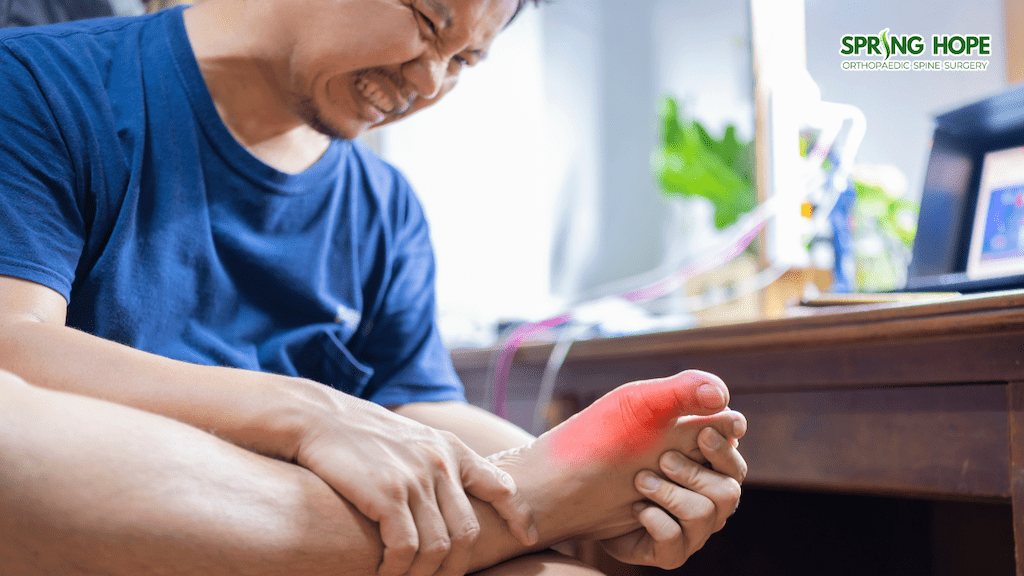
The third common cause of big toe pain is gout, a specific type of inflammatory arthritis that can affect various joints throughout the body. Gout is often characterized by sudden, excruciating pain that can make even the lightest touch unbearable.
The Role of Uric Acid
Gout is triggered by high levels of uric acid in the blood. This excess uric acid can form sharp crystals inside the joint. While the crystals may be present for some time, a minor injury to the joint can trigger a severe inflammatory reaction. When this happens, the joint and the surrounding tissues become red, swollen, and intensely inflamed.
Dietary Influences and Prevention
Managing the risk of gout flare-ups often requires dietary adjustments. To help maintain lower uric acid levels, it is recommended to:
- Increase the consumption of vegetables and high-fiber foods.
- Reduce intake of alcohol and sugary or sweet drinks.
- Limit the consumption of red meat and seafood.
The Importance of Differential Diagnosis
It is often difficult for a person to distinguish between a gout flare-up and a joint infection, as both present with similar symptoms of redness and swelling. Because a joint infection requires immediate medical intervention, seeking an early diagnosis from a professional is vital if these symptoms occur.
Key Takeaways for Managing Toe Pain
- Footwear Matters: Many toe issues, including bunions and ingrown nails, are caused or worsened by tight, narrow, or high-heeled shoes.
- Prioritize Roomy Shoes: Switching to comfortable footwear like sports shoes is often the first step in alleviating bunion and nail pain.
- Monitor for Infection: If a toe becomes smelly, produces discharge, or shows signs of intense redness, it may be infected and requires a doctor’s visit.
- Diet Impacts Gout: A healthy diet rich in fiber and low in alcohol, red meat, and sugar can reduce the risk of gout-related inflammation.
- Seek Professional Help Early: Because gout can look like a serious infection, professional medical advice is necessary for an accurate diagnosis and appropriate treatment.
Conclusion
Big toe pain can stem from variety of sources, ranging from the mechanical pressure of ill-fitting shoes to systemic inflammatory conditions like gout. While minor discomfort can sometimes be managed by simply choosing more supportive and roomy footwear, persistent pain or signs of infection should never be ignored. By understanding these common causes, individuals can take proactive steps to protect their foot health and seek professional medical guidance when necessary to ensure a proper recovery.